Bilberry: leaves, anthocyanins, quercetin and digestion
The Blueberry, especially the European blueberry Vaccinium myrtillus, is a well-known plant from traditional herbalism. Not only the fruits are used, but also the leaves and young shoots.
Blueberries are often associated with Antioxidants, Anthocyanins, Quercetin, Digestion, Intestinal flora, mucous membranes, blood vessels and eyes. Of particular interest are their natural plant substances, which go well with a conscious diet and herb-based recipes.
In Fulvicherb Synergy blueberry leaf extract is combined with fulvic acid, inulin, pectin, arginine, niacinamide and other natural ingredients.
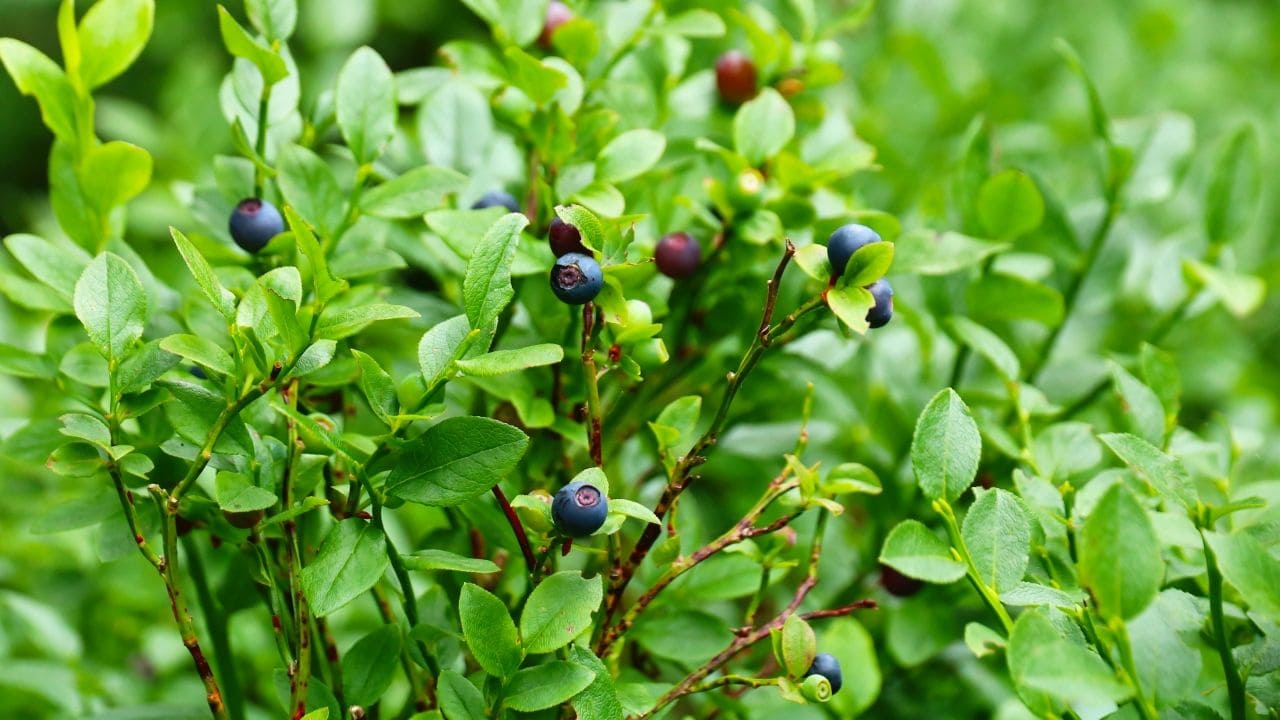
Briefly explained: Blueberry
- The botanical name of the European blueberry is Vaccinium myrtillus.
- Fruits, leaves and young shoots contain valuable plant substances.
- Anthocyanins, quercetin, catechin tannins and proanthocyanins are particularly well known.
- Bilberry leaves are traditionally associated with digestion and mucous membranes.
- Quercetin is often discussed in connection with histamine, antioxidant properties and blood vessels.
- In herbal recipes, blueberry goes well with a healthy diet and natural ingredients.
What plant substances does the blueberry contain?
Blueberries contain various natural plant substances. The dark colourings of the berries are particularly well known, the so-called Anthocyanins. They belong to the polyphenols and are often considered to have antioxidant properties.
The leaves and green shoots of the European blueberry are also interesting. They contain, among other things:
- Catechin tannins
- Proanthocyanins
- Flavonoids
- Quercetin
- vegetable tanning agents
- Other secondary plant substances
Tannins are traditionally associated with mucous membranes, digestion and astringent properties. This is why bilberry leaves have a long tradition in European herbalism.
Bilberry and quercetin
Quercetin is a flavonoid found in many plants. It is often discussed in connection with antioxidant properties, blood vessels, histamine, immune reactions and inflammation-related processes.
In connection with Histamine intolerance Many people are interested in quercetin because it is often associated with mast cells, histamine release and tolerance in natural product science.
It is important to categorise quercetin objectively: quercetin does not replace medical treatment and is not a medicine for allergies or histamine intolerance. However, it is an interesting plant substance for people who are interested in natural ingredients, intestinal flora, healthy nutrition and individual tolerance.
Blueberries and digestion
Bilberry leaves and fruits are traditionally used in connection with Digestion, intestines, mucous membranes and stool quality.
The tannins in bilberry leaves are particularly well known in herbalism. They are often described as having astringent properties. This means that they react with proteins and can therefore have an astringent effect on mucous membranes.
In traditional use, bilberry leaves were therefore often considered for sensitive digestion, soft stools or an irritated bowel situation. However, in the case of severe or persistent complaints, the cause should always be clarified by a doctor.
Blueberries, intestinal flora and food quality
Healthy digestion does not just depend on individual herbs. Intestinal flora, fibre, fluids, food quality and the diet as a whole are also crucial.
A diet with natural foods, plant-based variety, sufficient fibre and as few highly processed products as possible creates a different intestinal environment than a diet with lots of sugar, additives and long lists of ingredients.
In this context, blueberry leaves fit in well with the Fulvicherb theme of Intestinal flora, Digestion, Herbs, natural ingredients and healthy nutrition.
Blueberry and blood vessels
Blueberries are often considered in connection with blood vessels, endothelium, microcirculation and antioxidant plant substances.
The endothelium is the inner cell layer of blood vessels. It plays an important role in vascular function, blood circulation and the regulation of various signalling substances, including nitric oxide.
Plant substances such as anthocyanins and quercetin are discussed in this context. However, no direct promise of a cure for blood pressure problems or cardiovascular diseases should be derived from this.
Anyone who has blood pressure problems, vascular diseases or cardiovascular complaints should always have them checked out medically.
Blueberry and eyes
Blueberries are also traditionally associated with eyes, vision and microcirculation. The anthocyanins in the dark berries in particular are often mentioned in this context.
The eyes are heavily dependent on a good supply of oxygen, micronutrients and antioxidant protection systems. This is why many people are interested in natural plant substances that fit into an eye-conscious diet.
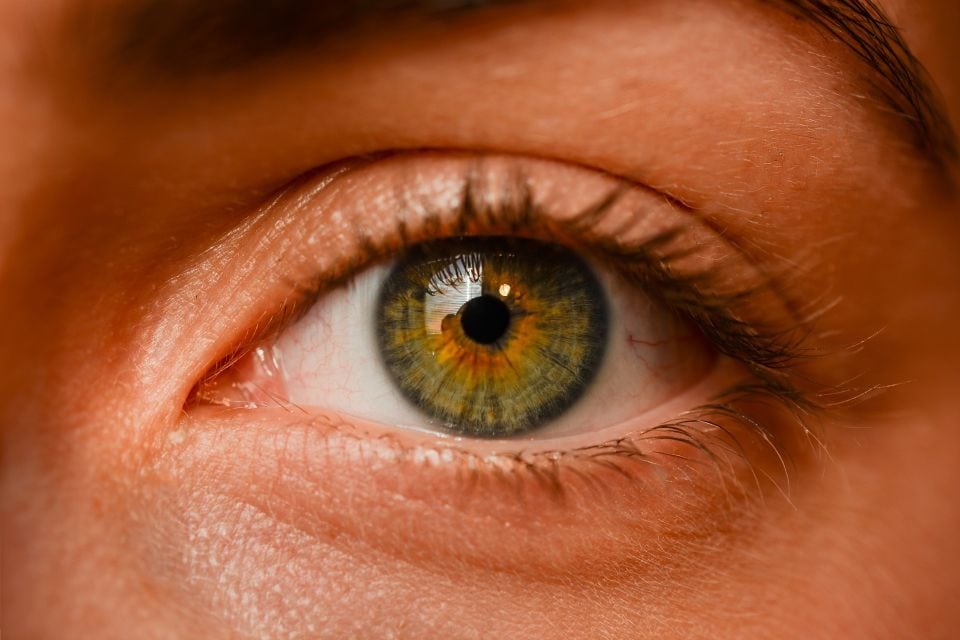
However, it is important to remember that eye complaints, deterioration of vision or eye diseases should be checked by a specialist. Bilberries and bilberry leaves are not a substitute for medical treatment.
Where does the European blueberry grow?
The European bilberry prefers to grow in cool, wooded and rather acidic soils. In the Carpathian Basin, it is native to the Carpathian Mountains, Romania-Transylvania and Slovakia.
Traditionally, both the berries and the leaves and green shoots are used. The leaves contain catechin tannins and proanthocyanins, which are particularly valued in herbalism.
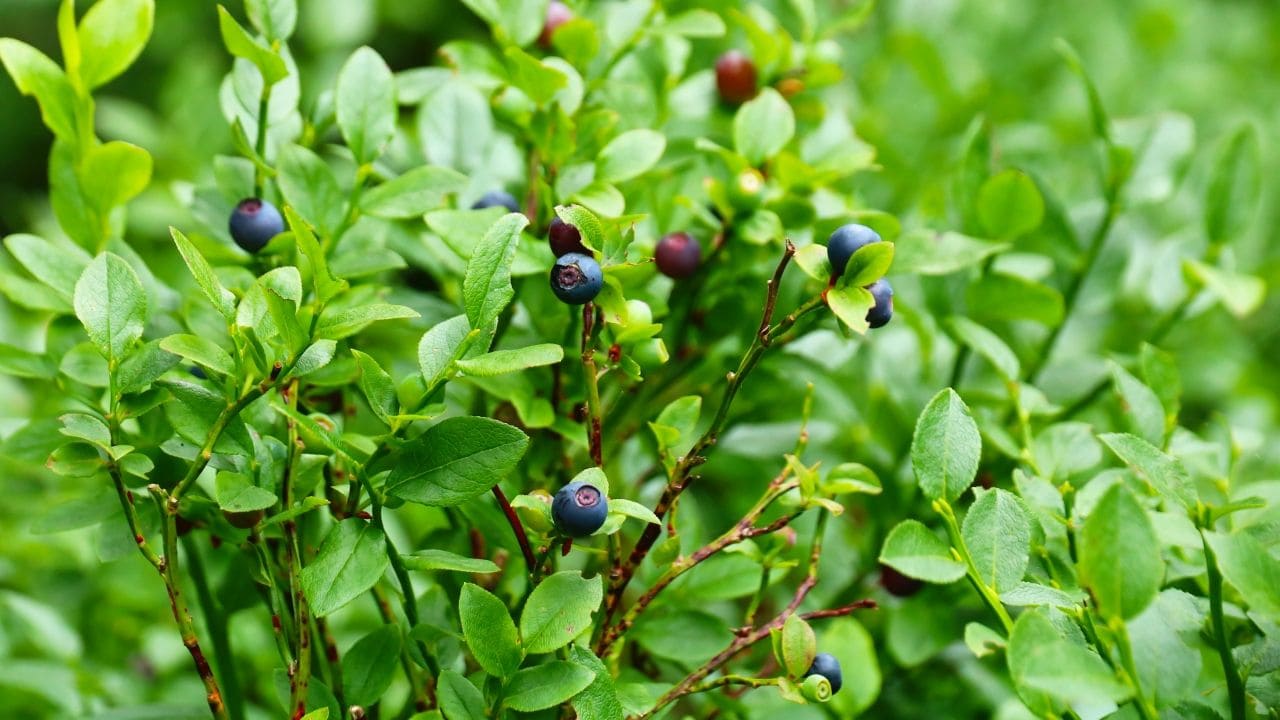
Bilberry leaves in herbalism
In European herbalism, bilberry leaves are traditionally associated with digestion, mucous membranes and natural plant substances.
The tannins, proanthocyanins and flavonoids it contains make it particularly interesting for herbal formulations.
In modern herbal complexes, such plant substances are not considered in isolation, but in combination with other natural ingredients, dietary fibres, micronutrients and a healthy diet.
Blueberries, bacteria and the intestinal environment
In the literature, blueberries and blueberry leaves are also considered in connection with microbial processes. The main focus here is on tannins, polyphenols and natural plant substances.
Traditionally, bilberry leaves were used to treat sensitive digestion and diarrhoea. Modern studies are also interested in the connection between plant substances, the intestinal environment and the microbiome.
However, this does not mean that bilberry leaves can replace antibiotics or treat bacterial infections. Medical clarification is required for severe, bloody, feverish or persistent diarrhoea.
Blueberry in Fulvicherb Synergy
Fulvicherb Synergy contains not only fulvic acid but also selected herbal extracts, including bilberry leaf extract.
The formula combines blueberry leaves with fulvic acid, inulin, pectin, arginine, niacinamide, natural unrefined rock salt, sunflower lecithin and other natural ingredients.
This combination is particularly suitable for people who are interested in intestinal flora, digestion, fibre, herbs, natural plant substances and healthy nutrition.
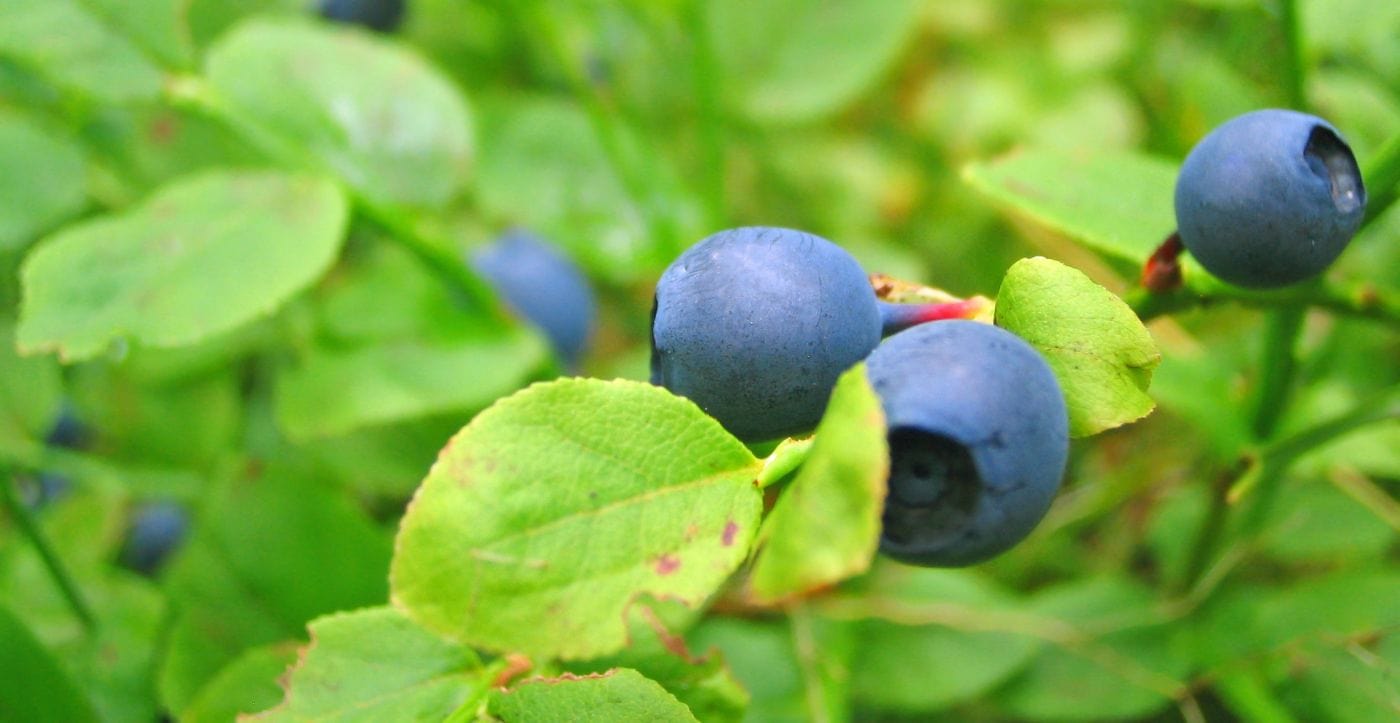
Blueberries, fibre and a healthy diet
Blueberries are just one component of a healthy diet. Fibre is particularly important for intestinal flora and digestion.
Inulin and pectin are soluble dietary fibres that are often considered in connection with intestinal flora, fermentation and digestion.
Also Pure apple fibre can be interesting if you want to make your diet more fibre-conscious.
A good basis remains a diet with natural foods, sufficient fluids, plant-based variety and as few highly processed products as possible.
Frequently asked questions about blueberries
What is the European blueberry?
The botanical name of the European blueberry is Vaccinium myrtillus. It is a wild berry plant whose fruits, leaves and young shoots are traditionally used.
What plant substances does blueberry contain?
Blueberries contain anthocyanins, flavonoids and polyphenols, among other things. The leaves also contain tannins, proanthocyanins and quercetin.
What are bilberry leaves traditionally used for?
Bilberry leaves are traditionally associated with digestion, mucous membranes and sensitive intestines.
Is blueberry interesting for histamine intolerance?
Blueberries contain plant substances such as quercetin, which are discussed in connection with histamine and tolerance. In the case of histamine intolerance, however, individual tolerance remains decisive.
Can blueberries help with diarrhoea?
Bilberry leaves are traditionally used for sensitive digestion and soft stools. Medical advice should be sought for severe, persistent, bloody or feverish diarrhoea.
Are blueberries good for the eyes?
Bilberries are often considered to have eye, microcirculation and antioxidant properties due to their anthocyanins. However, they are not a substitute for ophthalmological treatment.
Why does Fulvicherb Synergy contain bilberry leaf extract?
Bilberry leaf extract is a natural herbal ingredient in a formulation with fulvic acid, inulin, pectin, arginine, niacinamide and other natural ingredients.
Conclusion: Bilberry as a natural plant substance for digestion and herbal formulations
Bilberries are more than just a well-known wild berry. The European bilberry in particular contains interesting plant substances such as anthocyanins, quercetin, tannins and proanthocyanins.
Bilberry leaves are traditionally associated with digestion, mucous membranes, the intestinal environment and natural herbal formulas. At the same time, bilberries are thematically related to histamine, antioxidant properties, blood vessels and eyes.
In Fulvicherb Synergy blueberry leaf extract is combined with fulvic acid, inulin, pectin, arginine, niacinamide and other natural ingredients - for people who want to supplement their diet in a conscious, herb-based and gut-friendly way.
 English (UK)
  Deutsch
  Italiano
  Français
  Español
  Polski
  Slovenčina
  Română