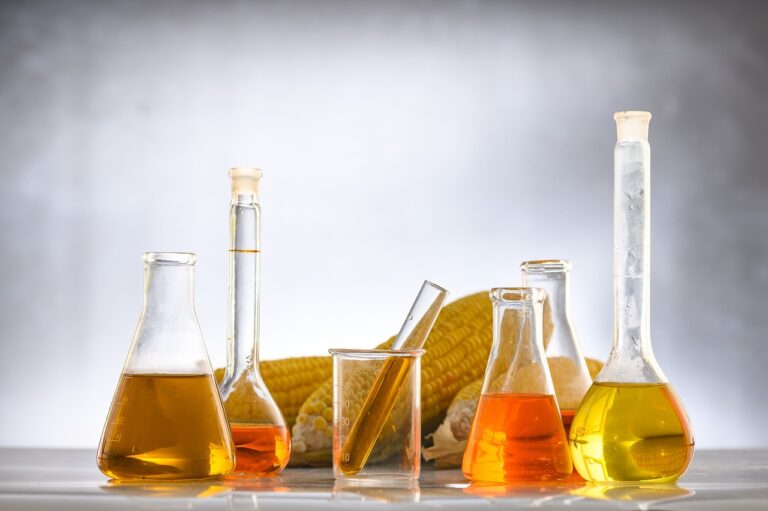
Fructose: Fructose, metabolism, intestinal flora and a healthy diet
Fructose, also Fructose is a natural simple sugar. It is found in fruit, honey and some vegetables, but is also added to many processed foods in the form of free fructose, fructose syrup, corn syrup or invert sugar.
It is important to differentiate: Fructose from whole fruit is not the same as large amounts of free fructose from sweetened drinks, sweets, syrups or highly processed foods.
Free fructose in particular is associated with Fatty liver, insulin resistance, dyslipidaemia, hyperuricaemia, metabolic syndrome, diarrhoea, intestinal flora and digestion discussed. It is therefore worthwhile not to avoid fruit, but above all to take a critical look at the consumption of added fructose and highly sweetened products.
Briefly explained: Fructose and fructose
- Fructose is a simple sugar and occurs naturally in fruit and honey.
- Free fructose from sweetened drinks, syrups and processed foods is particularly problematic.
- Fructose is metabolised differently to glucose.
- High amounts of free fructose are discussed in connection with liver metabolism, triglycerides and uric acid.
- If you have a sensitive digestive system, excess fructose can contribute to flatulence, soft stools or diarrhoea.
- A healthy diet should not avoid fruit across the board, but should reduce added sugars and sweet drinks.
What is fructose?
Fructose or fruit sugar is a monosaccharide, i.e. a simple sugar. Chemically, fructose is an isomer of glucose. Both consist of the same building blocks, but are processed differently in the body.
Fructose occurs naturally in fruit, honey and some plant-based foods. It is also a component of household sugar, i.e. sucrose. Sucrose consists of glucose and fructose.
In the modern food industry, fructose is also used in concentrated form, for example as fructose syrup, glucose-fructose syrup, high-fructose corn syrup or invert sugar.
Fructose in fruit is not the main problem
An important point: fruit should not be equated with highly sweetened drinks or fructose syrup.
Whole fruits not only provide fructose, but also water, fibre, vitamins, minerals and secondary plant substances. As a result, fructose is absorbed in a natural food compound.
The situation is different with sweetened drinks, soft drinks, sweets, fruit juice concentrates, syrups and highly processed foods. Free fructose can be absorbed quickly and in large quantities without any significant fibre or satiety effects.
Free fructose in beverages and foods
Many elements of the relationship between fructose and obesity, dyslipidaemia, insulin resistance, hyperuricaemia, metabolic syndrome and cardiovascular risk have been investigated in scientific studies.
Free fructose in drinks and highly processed foods is viewed particularly critically. These include
- Soft drinks
- Energy drinks
- Sweetened iced teas
- Fruit juice drinks
- Sweets
- Fruit yoghurts with added sugar
- Ready-made sauces
- Muesli bar
- Breakfast cereals
- Baked goods and desserts
This is not about natural fruit, but about added sugars and highly processed products.
Fructose in our diet
Natural sources of fructose are fruit and honey. In addition, sucrose provides both glucose and fructose during digestion.
In recent decades, however, larger quantities of fructose-containing sweeteners have been used in the food industry. These include high-fructose corn syrup, glucose-fructose syrup and invert sugar.
Hydrolysed maize starch can be treated enzymatically so that some of the glucose is converted into fructose. This produces syrups that are technically easy to use and very sweet.
It is therefore important to look at the list of ingredients in your daily diet. Fructose can appear under various names.
What names does fructose go by?
Fructose and related sweeteners may appear differently on ingredient lists. Common terms are:
- Fructose
- Fructose
- Glucose-fructose syrup
- Fructose-glucose syrup
- Corn syrup
- High Fructose Corn Syrup
- HFCS
- Invert sugar
- Invert sugar syrup
- Sucrose
- Fruit juice concentrate
- Agave syrup
These terms do not automatically mean that a product is „forbidden”. However, they help to better recognise free sugars and highly sweetened products.
Fructose absorption in the intestine
Fructose is absorbed in the small intestine. The GLUT5 transporter plays an important role in this process. However, its absorption capacity is limited and varies from person to person.
Fructose is often better absorbed if glucose is present at the same time. Tolerance therefore depends not only on the amount of fructose, but also on the ratio of fructose to glucose and on the meal as a whole.
If too much fructose is absorbed at once or absorption in the small intestine is limited, excess fructose continues to enter the lower intestinal tract.
Fructose and diarrhoea
If fructose is not fully absorbed, it can bind water in the intestine and be fermented by bacteria. This can lead to gas formation, bloating, abdominal pressure, soft stools or diarrhoea.
The symptoms depend on several factors:
- Amount of fructose ingested
- Ratio of fructose to glucose
- Food eaten at the same time
- Intestinal flora
- Individual compatibility
- Existing irritable bowel syndrome or SIBO issues
If you have a sensitive digestive system, large amounts of fruit juice, dried fruit, soft drinks, agave syrup or high-fructose sweeteners can be particularly problematic.
Fructose metabolism in the liver
Fructose is mainly metabolised in the liver. It is clearly different from glucose.
Glucose is more strongly controlled by insulin regulation and various metabolic checkpoints. Fructose can bypass certain checkpoints and flow more quickly into metabolic pathways associated with new fat formation, triglycerides and VLDL formation.
Therefore, a permanently high intake of free fructose is discussed in connection with liver metabolism, fatty liver, increased triglycerides and insulin resistance.
Fructose, insulin and satiety
Fructose stimulates insulin secretion less directly than glucose. Leptin and ghrelin, hormones associated with satiety and hunger, are also being investigated in connection with fructose.
Sweetened drinks in particular are problematic because they provide energy but are hardly filling. This can make it easier to consume a lot of calories in addition to your normal diet.
For a healthy diet, it is therefore not only the type of sugar that is important, but also the form: Liquid sugars from drinks are particularly unfavourable.
Fructose and dyslipidaemia
A high intake of free fructose is associated with increased triglycerides, VLDL formation and unfavourable changes in fat metabolism.
One of the reasons for this is that fructose can contribute to de novo lipogenesis in the liver. In this process, fat building blocks are formed from carbohydrates.
Especially when a high-fructose diet is combined with a high energy intake, little exercise and a lot of highly processed foods, this can have an unfavourable effect on the metabolism.
Fructose and insulin resistance
Insulin resistance is not caused by a single substance alone. It is linked to body weight, liver fat, visceral fat, exercise, sleep, stress, genetic factors and diet quality.
However, a permanently high intake of free fructose can play a role in connection with liver fat, triglycerides and visceral obesity.
It therefore makes sense to reduce sweetened drinks and highly processed products in particular.
Fructose and high uric acid levels
ATP is consumed during fructose metabolism in the liver. This can trigger metabolic processes that are associated with the formation of uric acid.
High uric acid levels are associated with gout, high blood pressure, kidney function and cardiometabolic risk.
Here too, the greatest practical significance is not an apple, but a permanently high intake of free fructose from drinks, sweets and highly processed foods.
Fructose and diabetes
Fructose was previously considered beneficial for people with diabetes in part because it does not raise blood sugar levels as directly as glucose.
Today, a more differentiated view is taken. Small amounts as part of a balanced diet are to be assessed differently than a high intake of free fructose.
Especially in the case of type 2 diabetes, insulin resistance, fatty liver or elevated triglycerides, it makes sense to take a critical look at sugar, fructose syrup and sweetened drinks.
People with diabetes should personalise their diet with medical or nutritional support.
Fructose and cardiovascular risk
A high intake of free sugars is discussed in connection with obesity, increased triglycerides, unfavourable fat metabolism, high blood pressure and cardiovascular risk factors.
Sweetened drinks in particular are the focus of many studies because they quickly provide large amounts of sugar and are hardly filling.
In practice, this means that water, unsweetened tea and natural foods are a better basis than soft drinks, sweet juices, syrups and highly sweetened products.
Fructose, intestinal flora and digestion
Fructose not only affects the liver metabolism. If intake is restricted, it can also affect digestion and intestinal flora.
Unabsorbed fructose can be fermented by intestinal bacteria. This can produce gases that promote flatulence, abdominal pressure or diarrhoea.
Individual tolerance is particularly important for people with irritable bowel syndrome, SIBO or fructose malabsorption.
Fibre: the difference between fruit and soft drinks
The decisive difference between fruit and soft drinks lies not only in the amount of fructose, but in the entire food combination.
Fruit contains water, fibre, vitamins, minerals and plant substances. A soft drink, on the other hand, mainly provides readily available sugar in liquid form.
Dietary fibre slow down absorption, promote satiety and are important for a gut-conscious diet. Therefore, you should not avoid fruit altogether, but reduce free sugars and sweetened drinks.
Inulin, pectin and a fibre-conscious diet
If you want to reduce sugar and free fructose, it makes sense to improve the quality of your diet at the same time.
Especially Inulin and pectin are often considered in connection with intestinal flora, fermentation and digestion.
Also Pure apple fibre may be of interest to people who want to make their fibre intake more natural.
This fibre is not a substitute for a healthy diet, but can fit in well with a nutritional concept that aims for less sugar, more plant diversity and better intestinal flora support.
How can you reduce free fructose in everyday life?
If you want to reduce free fructose, eating doesn't have to be complicated. The most important steps are simple:
- Reduce soft drinks and sweetened beverages
- Do not use fruit juice and smoothies as thirst quenchers
- Check ingredient lists for syrups and fructose
- Consume sweets and desserts more consciously
- Check ready-made sauces, muesli and snacks
- Favour whole fruit instead of fruit juice
- Integrate more fibre, vegetables and natural foods
- Drink water or unsweetened herbal tea
Fulvicherb Synergy in the context of healthy eating
Fulvicherb Synergy combines fulvic acid, arginine, inulin, pectin, niacinamide, natural unrefined rock salt, sunflower lecithin and selected herbs in a liquid formula.
The recipe is suitable for people who are concerned with intestinal flora, digestion, dietary fibre, natural ingredients and healthy nutrition.
Especially in the context of sugar, fructose, highly processed foods and today's diet, the focus on fibre, herbs and natural ingredients makes sense.

Frequently asked questions about fructose
What is fructose?
Fructose is a simple sugar that occurs naturally in fruit and honey. It is also known as fructose.
Is fructose unhealthy?
Fructose from whole fruit is to be assessed differently to free fructose from soft drinks, syrups and highly processed foods. Large amounts of free fructose in particular are the subject of critical debate.
What is free fructose?
Free fructose is fructose that is not absorbed naturally from whole fruit, but is found in drinks, syrups, sweets or processed foods, for example.
Can fructose cause diarrhoea?
Yes, if fructose is not fully absorbed in the small intestine, it can reach deeper parts of the intestine and cause flatulence, soft stools or diarrhoea.
What is fructose malabsorption?
Fructose malabsorption means that fructose is only absorbed to a limited extent in the small intestine. This can lead to digestive problems such as flatulence, abdominal pressure or diarrhoea.
Should I avoid fruit because of fructose?
No, fruit should not be avoided across the board. Whole fruit contains fibre, water, vitamins and plant substances. Sweetened drinks, fruit juices in large quantities and added sugar are more critical.
Which foods contain a lot of free fructose?
Soft drinks, fruit juice drinks, sweets, syrups, agave syrup, ready-made sauces, breakfast cereals, desserts and many highly processed products can contain relevant amounts of free fructose.
What helps to reduce free fructose?
Water instead of soft drinks, whole fruit instead of fruit juice, fewer ready-made products, short ingredient lists and more fibre-rich foods are good first steps.
Conclusion: Classify fructose correctly
Fructose is not automatically bad. The form, quantity and the overall nutritional environment are decisive.
Fructose from whole fruit is found together with water, fibre and plant substances. Free fructose from sweetened drinks, syrups and highly processed foods, on the other hand, can be quickly absorbed in high quantities.
If you want to improve your diet, you should reduce free sugars, fructose syrup, soft drinks and highly processed products in particular. At the same time, it is worth building up a fibre-conscious diet with vegetables, whole fruits and natural foods, Inulin and pectin, Pure apple fibre and an overall healthy diet.
Literature
https://egeszsegtudomany.higienikus.hu/cikk/2011-1/Biro.pdf
- USDA http://www.nal.usda.gov/fnic/foodcomp/search
- Hoschke Á., Rezessyné Szabó J.: Sugars, sugar alcohols and honeys. In Food Chemistry (ed. Gyöngyi Hajós) Akadémiai Kiadó. Budapest, 2008. pp. 462-478.
- Hungarian Food Codex (Codex Alimentarius Hungaricus) 1-3-2001/111 (2nd edition - 2006)
- Hoekstra J. H., van der Aker J. H. L.: Facilitating effect of amino acids on fructose and sorbitol absorption in children. Nutr. 1996. 23. 118-124.
- Stipanuk M. H.: Biochemical, physiological and molecular aspects of human nutrition, Saunders Elsevier. St. Louis, Missouri, 2006.
- White P. S., Jensen S. J., Rajalingam V. et al: Physical mapping of the CA6, ENO1, and SLC2A5 (GLUT5) genes and reassignment of SLC2A5 to 1P36.2. Cytogenetics and Cell Genetics. 1998. 81. 60- 64.
- Bray G. A.: How bad is fructose? Am. J. Clin. Nutr. 2007. 86. 895-896.
- Guthrie F. J., Morton F. J.: Food sources of added sweeteners in the diets of Americans. Diet. Assoc. 2000. 100. 43-51.
- Bray G. A.: Fructose - How concerned should we be? Medscape J. Med. 2008. 10. 159. (http://www.medscape.com/viewarticle/57589)
- Vos M. B., Kimmons J. E., Gillespie C., et al: Dietary fructose consumption among US children and adults: The Third National Health and Nutrition Survey. Medscape J. Med. 2008.
- 160. (http://www.medscape.com/viewarticle/576945)
- Havel P. J.: Dietary fructose: Implication for dysregulation of energy homeostasis and lipid/carbohydrate metabolism. Rev. 2005. 63. 133-157.
- Stanhope K. L., Havel P. J.: Fructose consumption: possible mechanisms for its effects on the increase in visceral adiposity and the development of dyslipidaemia and insulin resistance. Opinion. Lipidol. 2008. 19. 16-24.
- Stanhope K. L., Havel P.J.: Endocrine and metabolic effects of consumption of beverages sweetened with fructose, glucose, sucrose, or high-fructose corn syrup. Am. J. Clin. Nutr. 2008. 88. 1733S-1737S.
- Segal M. S., Gollub E., Johnson R. J.: Is the fructose index more relevant than the glycaemic index with regard to cardiovascular disease? Eur. J. Nutr. 2007. 46. 406-407.
- Barclay L., Lie D.: Sweet soft drinks, fructose associated with increased risk of gout. Medscape Med News 2008. www.medscape.com/viewarticle/569656.
- Brown C. M., Dulloo A. G., Montani J-P.: Sugary drinks in the pathogenesis of obesity and cardiovascular diseases, Int. J. Obes. 2008. 12. pp28-S34.
- Aeberli I., Zimmermann M. B., Molinari L.: Fructose intake is a predictor of LDL particle size in overweight schoolchildren. J. Clin. Nutr. 2007. 86. 1174-1178.
- Kneepkens C. M. F.: What happens to fructose in the gut? Scand. J. Gastroent. 1989. 24. 1-6.
- Bray G. A., Nielsen S. J., Popkin B. M.: Consumption of high-fructose corn syrup in drinks may play a role in the obesity epidemic. Am. J. Clin. Nutr. 2004. 79. 537-543.
- Teff K. L., Elliott S. S., Tschöp M., et al: Dietary fructose reduces circulating insulin and leptin, attenuates postprandial suppression of ghrelin, and increases triglycerides in women. J. Clin. Endocrinol. Metab. 2004. 89. 2963-2972.
- Neilson E. G.: The Fructose Nation. Soc. Nephrol. 2007. 18. 2619-2622.
- Adams S. H., Stanhope K. L., Grant R. W., et al: Metabolic and endocrine profiles in response to systematic infusion of fructose and glucose in rhesus monkeys. Endocrinology 2008. 149. 3002-3008.
- Stanhope K. L., Griffen S. C., Bair B. R., et al: Twenty-four-hour endocrine and metabolic profiles following consumption of high-fructose corn syrup-, sucrose-, fructose-, and glucose-sweetened beverages with meals. Am. J. Clin. Nutr. 2008. 87. 1194-1203.
 English (UK)
  Deutsch
  Italiano
  Français
  Español
  Polski
  Slovenčina
  Română