Atrazine, glyphosate and healthy nutrition
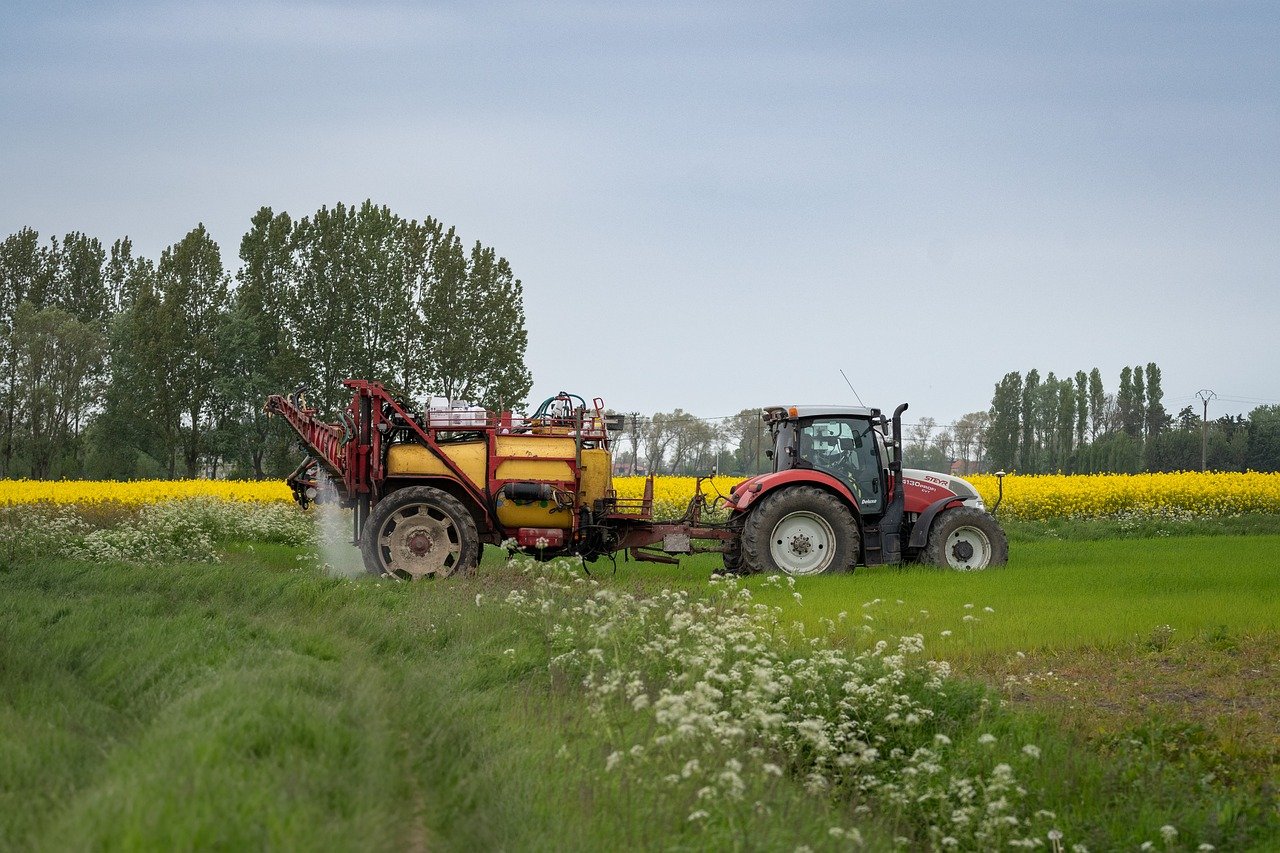
Atrazine is a herbicide from the triazine group. It is mainly used in agriculture to control weeds, including in maize, cereals and sugar cane. Atrazine acts in plants by influencing photosynthesis processes.
Today, atrazine is mainly used in connection with Groundwater, Surface waters, endocrine disruptors, modern agriculture, pesticide residues and food quality.
The topic is of interest to consumers because pesticides, herbicides, glyphosate, GMO cultivation, animal feed, intestinal flora, digestion and a healthy nutrition are more closely connected than they appear at first glance.
Briefly explained: Atrazine, pesticides and nutrition
- Atrazine is a herbicide from the triazine group.
- It was mainly used in maize, grain and sugar cane cultivation.
- Its use has been banned in Germany since 1991.
- Atrazine is often discussed in connection with groundwater and environmental pollution.
- Hormone-active issues are also being considered in research.
- Origin, food quality, fibre and as few highly processed products as possible are important for a healthy diet.
What is atrazine?
Atrazine belongs to the group of triazine herbicides. Herbicides are substances that are used against unwanted plants. Atrazine inhibits certain photosynthesis processes in sensitive plants, which disrupts plant growth.
In the past, atrazine was used on a large scale in many countries, especially in maize cultivation. This is precisely why it was later investigated in connection with residues in soils, surface waters and groundwater.
In Germany, the use of atrazine has been banned since 1 March 1991. The main reason for this was environmental and groundwater concerns. Nevertheless, atrazine is still being analysed in research because residues and degradation products can be detectable in the environment for a long time.
Why is atrazine controversial?
Atrazine is controversial because it not only acts as a herbicide, but is also discussed in connection with environmental pollution, water quality and possible endocrine disrupting properties.
Atrazine is mentioned particularly frequently in connection with so-called endocrine disruptors. These are substances that can influence hormonal signalling pathways. However, whether and to what extent such effects occur depends on many factors: Dose, duration of exposure, organism, study design and environmental conditions.
It is therefore important for consumers to categorise it objectively. Atrazine should not be trivialised, but neither should it be described with simple cause-and-effect statements.
Atrazine, groundwater and environmental pollution
One of the main criticisms levelled at atrazine is its impact on water quality. Atrazine or its degradation products have been detected in groundwater and surface water in various studies.
This is particularly relevant because groundwater can be an important source of drinking water. If pesticides or their degradation products remain in the environment for a long time, they can still be detectable years after application.
Many people therefore prefer food from transparent origins, organic farming or regional agriculture if they want to reduce residues from intensive farming.
Atrazine and endocrine disruptors
Atrazine is often discussed in connection with endocrine disruptors. Research has investigated effects on amphibians, reproductive biology and hormonal signalling pathways, among other things.
The discussion about studies on frogs, in which changes in sexual development were described under certain exposure conditions, became particularly well known. However, such results cannot be transferred one-to-one to humans.
For a consumer-orientated classification, it is important to note that atrazine is one of the substances for which environmental impact, water pollution and possible hormonal effects should be considered carefully and in a differentiated manner.
Atrazine, aromatase and oestrogen: cautious categorisation
In some articles, atrazine is mentioned in connection with aromatase, testosterone and oestrogen. Aromatase is an enzyme that is involved in the conversion of certain hormones.
Studies are investigating whether atrazine can influence hormonal signalling pathways. However, this is not about simple statements such as „Atrazine directly causes oestrogen dominance” or „Atrazine certainly leads to certain diseases”. Such issues are much more complex.
The hormonal system, environmental substances, diet, body weight, liver metabolism, intestinal flora, sleep, stress and individual factors all interact. Hormone-related issues should therefore always be categorised carefully.
Glyphosate and atrazine: two different herbicides
Glyphosate and atrazine are different herbicides with different mechanisms of action. However, both are often discussed in connection with modern agriculture, residues, GMO cultivation, animal feed and environmental issues.
Glyphosate acts in plants via the so-called shikimate pathway. Atrazine influences photosynthesis processes. For consumers, the exact mechanism of action is less important than the question: how can you make your own diet as natural, high in fibre and low in residues as possible?
It is therefore worth taking a closer look at the origin, organic quality, ingredient lists, highly processed foods and feed chains.

Atrazine, maize and global food chains
Atrazine was historically used particularly frequently in maize cultivation. It is therefore also considered in connection with maize products, animal feed, global raw material chains and industrial food production.
This does not mean that every maize product is automatically problematic. The decisive factors are origin, cultivation method, control, processing and overall nutritional quality.
Many highly processed foods contain ingredients made from maize or soya, for example starch products, syrups, vegetable oils, protein isolates or other functional ingredients. It therefore makes sense to read ingredient lists more carefully and favour natural foods wherever possible.
What does this mean for intestinal flora and digestion?
For the Intestinal flora and Digestion it is not just a single substance that is decisive. The entire nutritional environment is more important: food quality, fibre, freshness, processing, additives and individual tolerance.
A diet with many highly processed products, little fibre, lots of sugar, white flour and long lists of ingredients creates a different environment than a diet with vegetables, pulses, fruit, nuts, seeds and natural sources of fibre.
You can find out more about gut bacteria and nutrition in the article on Intestinal bacteria and colon function.
Healthy nutrition instead of fear of individual substances
When it comes to topics such as atrazine, glyphosate or pesticide residues, uncertainty quickly arises. It makes more sense to take a practical look at the entire diet than to be afraid of individual substances.
For a healthy nutrition these points are particularly important:
- As little highly processed food as possible
- More natural foods and fresh ingredients
- Sufficient fibre
- More plant diversity
- Good fluid intake
- Organic products or transparent origin, if possible
- Fewer products with long lists of ingredients
- Conscious use of maize, soya and convenience products
This approach not only strengthens nutritional quality, but also suits people who are concerned with intestinal flora, digestion, dietary fibre and conscious nutrition.
Dietary fibre, prebiotics and nutritional quality
An important counterbalance to highly processed foods are Dietary fibre. They are a central component of a fibre-conscious diet and are often considered in connection with intestinal flora, fermentation and digestion.
Especially Prebiotic dietary fibres like Inulin and pectin are interesting for people who want to organise their diet more consciously.
Also Pure apple fibre can be useful for people who want to take a more natural approach to their daily fibre intake.
What can you do in everyday life?
You don't have to eat perfectly to be more conscious about your diet. Even simple steps can help:
- Favour organic products if possible
- Wash fruit and vegetables thoroughly
- Choose regional and seasonal foods
- Reduce finished products
- Read ingredient lists
- Reduce sugared drinks and highly processed snacks
- Slowly integrate more fibre
- Pay attention to individual tolerance in the case of sensitive digestion
Fulvicherb Synergy in connection with intestinal flora and nutrition
Fulvicherb Synergy combines fulvic acid, arginine, inulin, pectin, niacinamide, natural unrefined rock salt, sunflower lecithin and selected herbs in a liquid formula.
The recipe is suitable for people who are concerned with intestinal flora, digestion, dietary fibre, healthy nutrition and natural ingredients and who want to consciously supplement their diet.
However, the focus should always be on the overall diet. Fulvicherb Synergy does not replace a balanced lifestyle, but can be used as a complementary liquid formula in a conscious nutritional concept.

Frequently asked questions about atrazine, glyphosate and nutrition
What is atrazine?
Atrazine is a herbicide from the triazine group. It was used to control weeds and is now primarily discussed in connection with groundwater, environmental pollution and hormone-active issues.
Is atrazine permitted in Germany?
No. The use of atrazine has been banned in Germany since 1991. The main reasons for this were concerns about groundwater and drinking water quality.
Why is atrazine associated with hormones?
Atrazine is being discussed in research in connection with endocrine disruptors. Among other things, this concerns possible influences on hormonal signalling pathways. However, such topics must be categorised carefully and in a differentiated manner.
What is the difference between atrazine and glyphosate?
Atrazine and glyphosate are different herbicides with different mechanisms of action. However, both are often considered in the context of modern agriculture, residues, GMO cultivation and food quality.
What does atrazine have to do with intestinal flora?
Atrazine does not act directly as a classic gut flora issue. Rather, it is part of the wider context of pesticides, environmental substances, agriculture and food quality. For gut flora and digestion, the overall nutritional quality is crucial.
How can pesticide residues be reduced in everyday life?
Organic products, regional origin, thorough washing, short ingredient lists and as little highly processed food as possible can be good points of reference.
What role does fibre play?
Dietary fibres are an important part of a healthy diet. Prebiotic fibres in particular, such as inulin and pectin, are often considered in connection with intestinal flora, fermentation and digestion.
Conclusion: consciously categorise atrazine
Atrazine is an herbicide that is primarily discussed in connection with groundwater, environmental pollution, modern agriculture and hormone-active issues. However, direct, simple cause-and-effect statements are not useful for such topics.
For consumers, the overall nutritional quality is crucial: more natural foods, more fibre, more plant-based variety, as few highly processed products as possible and a conscious choice of origin.
Fulvicherb Synergy fits into this concept as a liquid formula with fulvic acid, inulin, pectin, arginine, niacinamide and herbs - for people who want to consciously supplement their diet.
 English (UK)
  Deutsch
  Italiano
  Français
  Español
  Polski
  Slovenčina
  Română