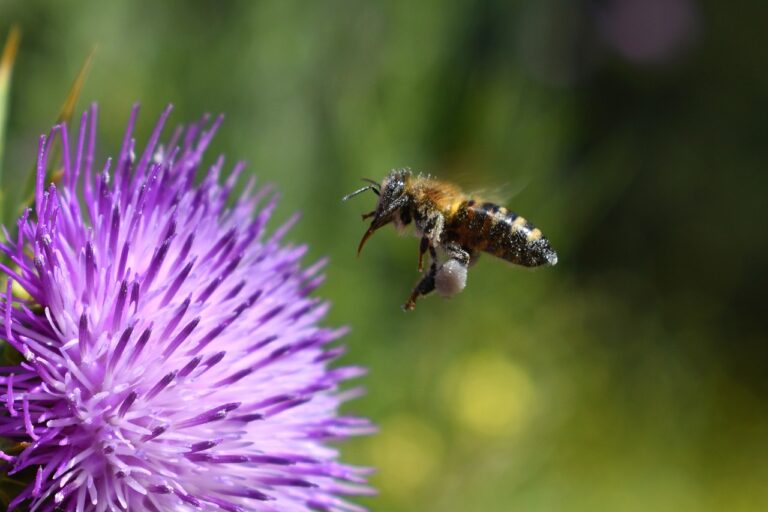
Mycotoxins in cereals, milk thistle and a healthy diet
Mycotoxins, also known as fungal toxins, are metabolic products of certain moulds. They can occur under unfavourable conditions in cereals, maize, nuts, animal feed and other agricultural raw materials.
Mycotoxins are often discussed in connection with moisture, storage, harvesting conditions, processing, bran, wholemeal products, animal feed and food quality, particularly in the case of cereals.
For people who are interested in healthy nutrition, Intestinal flora, Digestion, fibre and natural ingredients, this topic is important. After all, it is not just the question of „wholemeal or white flour?” that is decisive, but also the origin, quality, storage, processing and individual tolerance.
Briefly explained: Mycotoxins and nutrition
- Mycotoxins are metabolic products of certain moulds.
- They can be found in cereals, maize, nuts, animal feed and stored raw materials.
- Moisture, storage, harvesting conditions and processing play an important role.
- In cereals, mycotoxins are often discussed in connection with bran and wholemeal.
- Milk thistle and silymarin are often considered in connection with liver metabolism and natural plant substances.
- Food quality, fibre, intestinal flora and as few highly processed products as possible are crucial for a healthy diet.
What are mycotoxins?
Mycotoxins are natural metabolic products of certain moulds. They mainly occur when plants or stored raw materials are contaminated with moulds under unfavourable conditions.
Known mycotoxins include deoxynivalenol (DON), aflatoxins, ochratoxin A, zearalenone and fumonisins. Depending on the type of fungus, plant, climate, storage and processing, different mycotoxins can develop.
It is important to note that mycotoxins are not a sign that a food must automatically be visibly mouldy. They can also occur in raw materials if moulds were active during cultivation, harvesting or storage.
Why do mycotoxins occur in cereals?
Grain can come into contact with moulds in the field or later during storage and processing. Particularly damp weather, damaged plants, unfavourable storage conditions or long storage times can play a role.
Agricultural conditions are also discussed in connection with mycotoxins. These include crop rotation, plant protection, fertilisation, soil quality, harvest time and drying of the harvest.
The most important thing for consumers is that the quality of cereal products does not only depend on whether they are made from white flour or wholemeal. Origin, control, storage and processing are also crucial.
Mycotoxins, bran and wholemeal products
In cereals, external components such as the husk and bran are located closer to the surface of the grain. This is why residues, mould contamination or certain mycotoxins are often discussed in connection with the bran fraction.
This does not mean that wholemeal products are fundamentally bad. Whole grains can provide valuable fibre, minerals and accompanying plant substances. At the same time, the outer grain layer can be more affected by environmental, storage or residue issues.
It therefore makes sense to take a differentiated view: high-quality, controlled wholemeal products should be assessed differently from poorly stored, heavily contaminated or inferior raw materials.
White flour, wholemeal or bran: which is better?
The question „White flour or wholemeal?” cannot be answered in general terms. White flour contains less fibre and fewer natural accompanying substances. Wholemeal contains more fibre, but depending on the quality of the raw material, it may be more strongly associated with external grain components.
Bran is particularly rich in fibre, but mainly contains insoluble fibre. Some people tolerate bran well, others react sensitively to coarse fibre, wheat components or large amounts of bran.
For a healthy diet, it is therefore not only the amount of fibre that is decisive, but also the type of fibre, the quality of the food and the individual tolerance.
DON, grain quality and wet years
A frequently discussed mycotoxin in cereals is DON, deoxynivalenol. It is primarily associated with certain Fusarium fungi and can occur to varying degrees in cereals depending on weather conditions, cultivation and storage.
In humid years, the contamination with certain fungal toxins can be higher. This is why control, harvesting conditions, drying and storage are particularly important.
For consumers, this means that cereal products should come from controlled sources. If you have a very sensitive digestive system or an unclear tolerance, it can be useful to consciously observe your personal reaction to bran, wholemeal products and a diet based heavily on cereals.
Pesticides, glyphosate and mycotoxins
Glyphosate and other pesticides are often discussed in the context of modern agriculture, grain quality, residues, soil microbiome and food quality.
In some discussions, the connection between pesticides, moulds, mycotoxins and the body's own detoxification enzymes is also mentioned. Such issues are complex and should not be presented as a simple cause-and-effect chain.
For a practical categorisation, it is more important to pay attention to organic products, transparent origin, short ingredient lists and food that is as natural as possible if you want to reduce residues and heavily processed raw materials.
Cytochrome p450: Why this enzyme system is often mentioned
The cytochrome p450 enzyme system is involved in many metabolic processes. Among other things, it plays a role in the processing of endogenous and exogenous substances.
In research, this enzyme system is often considered in connection with liver metabolism, drug metabolism, environmental substances, pesticides and various plant substances.
However, it is important to note that it would be too simple to say that a single substance alone „damages” this system or that a single plant substance „protects” it. The decisive factors are dose, total exposure, diet, lifestyle, liver metabolism and individual starting position.
Milk thistle, silymarin and silibinin
The Milk thistle is a well-known plant traditionally associated with the liver, digestion and plant substances.
Their natural ingredients are particularly interesting, including Silymarin and Silibinin. These plant substances are often discussed in connection with liver metabolism, antioxidant properties and the body's natural protective systems.
It is important for a legally secure classification: Milk thistle does not replace medical treatment and should not be used in the case of existing liver diseases, medication or unclear complaints without professional consultation.
Milk thistle and a healthy diet
Milk thistle fits particularly well into a nutritional concept in which the focus is not on a single ingredient, but on the whole. Nutritional quality.
A liver- and digestion-conscious diet does not only consist of plant substances. Fresh food, sufficient fluids, high-quality fats, good sources of protein, little alcohol, as few highly processed products as possible and sufficient fibre are also important.
Especially in connection with mycotoxins, pesticides and additives, it makes sense not only to look at individual substances, but to make the daily diet as a whole more natural and fibre-conscious.
Mycotoxins in animal feed and the food chain
Mycotoxins are not only relevant for food, but also for animal feed. In livestock farming, cereals, maize and other plant-based raw materials are often used as feed ingredients.
Mycotoxin contamination is therefore also considered in the context of animal health, feed quality, meat quality, dairy products and global raw material chains.
One practical conclusion is particularly important for consumers: the origin, quality and processing of animal products are relevant. Meat, eggs and dairy products from transparent origins should be assessed differently to highly processed products from anonymous supply chains.
What does this mean for pets?
Nutrition, feed quality, additives and raw material sources are also increasingly being discussed for pets. Today, dogs and cats are often fed industrially produced food, which can contain many different raw materials, cereal ingredients, proteins, fats, additives and technological additives.
This does not mean that every ready-made food is automatically problematic. The decisive factors are quality, raw material transparency, compatibility, composition and the needs of the respective animal.
Veterinary advice should always be sought for health problems in pets. Nutrition can play a role, but is no substitute for diagnosis or treatment.
What does this mean for intestinal flora and digestion?
For Intestinal flora and Digestion it is not just a single substance that is decisive. The entire nutritional environment is important: freshness, quality, storage, fibre, protein sources, processing and individual tolerance.
Highly processed foods, long lists of ingredients, lots of sugar, white flour products or low-quality raw materials create a different nutritional environment than natural foods with sufficient fibre and plant diversity.
You can find out more about the connection between digestion and nutrition in the article Stimulate digestion: Here are the best methods.
Dietary fibre, inulin and pectin
An important counterbalance to highly processed foods are Dietary fibre. They are often considered in connection with intestinal flora, fermentation, satiety and digestion.
Particularly soluble and prebiotic dietary fibres such as Inulin and pectin are interesting for people who want to make their diet more fibre-conscious.
In contrast to coarse bran, soluble fibre is often tolerated differently and is viewed differently in the intestine. Nevertheless, the following also applies here: increase slowly, drink enough and pay attention to individual tolerance.
Also Pure apple fibre may be of interest to people who want to take a more natural approach to their daily fibre intake.
How can you reduce mycotoxins in everyday life?
You don't have to eat perfectly to be more conscious about your diet. A few simple steps can help:
- Favour cereal products from controlled sources
- Ensure good storage and freshness
- Do not use musty-smelling or spoilt food
- Favour organic products if possible
- Reduce highly processed cereal products
- For sensitive digestion, test bran and coarse wholemeal products individually
- Integrate more soluble fibre from vegetables, fruit, inulin, pectin or apple fibre
- Read ingredient lists and observe raw material quality
Fulvicherb Synergy in combination with milk thistle and nutrition
Fulvicherb Synergy combines fulvic acid, arginine, inulin, pectin, niacinamide, natural unrefined rock salt, sunflower lecithin and selected herbs in a liquid formula.
The recipe is suitable for people who are concerned with healthy nutrition, intestinal flora, digestion, dietary fibre, natural ingredients and plant substances such as milk thistle.
However, the focus should always be on the overall diet. Fulvicherb Synergy does not replace a balanced lifestyle, but can be used as a complementary liquid formula in a conscious nutritional concept.

Frequently asked questions about mycotoxins, cereals and milk thistle
What are mycotoxins?
Mycotoxins are metabolic products of certain moulds. They can occur under unfavourable conditions in cereals, maize, nuts, animal feed and stored raw materials.
Where are mycotoxins frequently found?
Mycotoxins are often discussed in connection with cereals, maize, nuts, animal feed and poorly stored raw materials. Moisture and storage conditions play an important role.
Are wholemeal products problematic because of mycotoxins?
Not automatically. Wholemeal products can provide valuable fibre. At the same time, the outer grain components are closer to the surface, which is why quality, control, storage and individual tolerance are important.
What is the difference between bran and soluble fibre?
Bran mainly contains insoluble fibre. Soluble fibres such as inulin and pectin are viewed differently and are often mentioned in connection with intestinal flora, fermentation and digestion.
What role does milk thistle play?
Milk thistle contains plant substances such as silymarin and silibinin. It is traditionally considered in connection with liver metabolism, digestion and natural plant substances.
What does glyphosate have to do with mycotoxins?
Glyphosate is mentioned in discussions about modern agriculture, pesticides, the soil microbiome, grain quality and residues. However, direct simple cause-and-effect statements should be avoided.
How can you reduce mycotoxins in everyday life?
Controlled origin, good storage, fresh food, avoidance of spoilt products, less processed grain products and conscious raw material quality can be good points of reference.
Conclusion: consciously categorise mycotoxins
Mycotoxins are an important issue in cereals, maize, animal feed and stored raw materials. The decisive factors are not individual keywords, but origin, moisture, storage, processing, control and individual tolerance.
It also makes sense to take a differentiated approach to wholemeal, bran and white flour. Whole grains can provide valuable fibre, while soluble fibres such as inulin and pectin can be an interesting addition to a fibre-conscious diet.
If you want to be more conscious about your diet, you should pay attention to food quality, sufficient fibre, natural ingredients, good storage and as few highly processed products as possible. Fulvicherb Synergy as a liquid formula with fulvic acid, inulin, pectin, niacinamide, arginine and herbs fits naturally into a conscious nutritional concept.
 Deutsch
 English (UK)
 Italiano
 Français
 Español
 Polski
 Slovenčina
 Română