Is meat healthy? Meat quality, animal feed and healthy nutrition
Is meat healthy? This question cannot be answered with a simple yes or no. Meat can provide high-quality proteins, vitamin B12, iron, zinc and other nutrients. At the same time, the assessment depends heavily on which meat is eaten, how often it ends up on the plate and how it was produced and processed.
The decisive factors are above all Meat quality, origin, animal husbandry, feeding, freshness, processing and overall nutrition. Fresh meat from a transparent source should be valued differently to highly processed meat products with long lists of ingredients.
In this article, we look at why industrial animal feed, free amino acids, GMO soya, glyphosate, biogenic amines, gut flora, digestion and fibre are linked to meat and healthy nutrition be discussed.
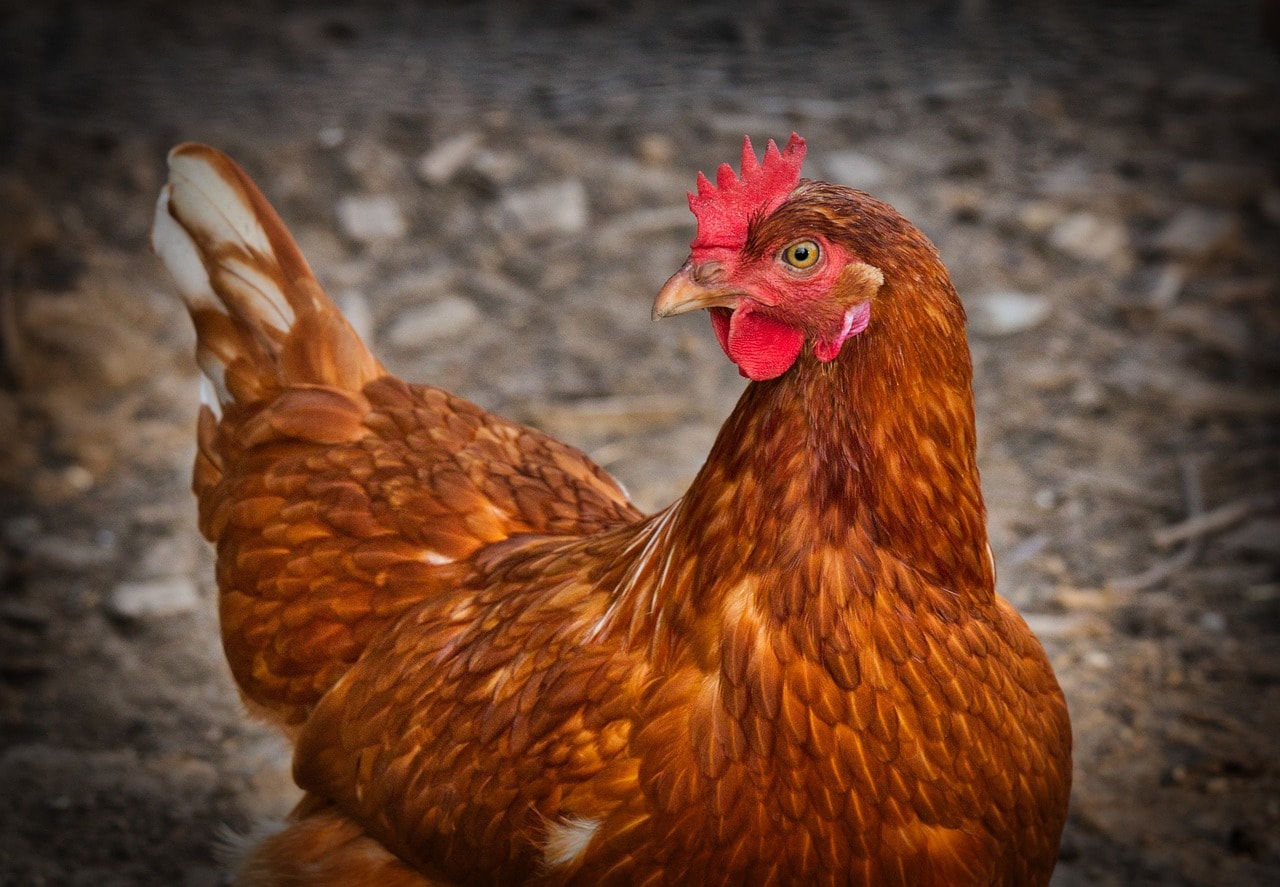
Briefly explained: Is meat healthy?
- Meat can provide high-quality proteins, vitamin B12, iron and zinc.
- The decisive factors are quality, origin, feeding, freshness and processing.
- Heavily processed meat products should be assessed differently to fresh meat.
- Industrialised animal feed is often discussed in connection with meat quality.
- Biogenic amines, storage and processing can play a role in sensitive digestion.
- Fibre, intestinal flora and overall nutritional quality are also important for a healthy diet.
Not all meat is the same
When it comes to meat, there is often a generalised discussion. It makes a big difference whether we are talking about fresh meat from a transparent source or highly processed meat products.
Fresh meat primarily contains protein, fat, minerals and vitamins. Processed meat products may also contain salt, nitrite curing salt, preservatives, flavour enhancers, aromas, sugar, starch or other additives.
That's why the better question is not just: „Is meat healthy?”, but: „What quality of meat do I eat, how was the animal reared and fed, how fresh is the product and how does it fit into my overall diet?”
Why meat quality is so important
Meat quality depends on many factors. These include animal species, husbandry, feeding, animal health, slaughter, refrigeration, storage, processing and preparation.
Stress, exercise opportunities, feed quality and processing can also have an influence on flavour, texture, nutrient profile and tolerance.
Consumers should therefore take a closer look at the origin, farming methods, organic quality, regional production and short lists of ingredients.
Industrial animal feed and modern meat production
In modern animal husbandry, feed is put together in a targeted manner. Maize, soya, cereals, vegetable protein sources, minerals, vitamins and free amino acids are often combined.
Such feed is intended to efficiently supply animals with energy, protein and micronutrients. At the same time, industrial animal feed is discussed in connection with meat quality, GMO soya, glyphosate, free amino acids, residues and global raw material chains.
You can find out more in the article about Industrial animal feed, free amino acids and intestinal flora.
Free amino acids in animal feed
Free amino acids such as lysine, methionine, threonine or tryptophan are used in animal feed to specifically supplement the amino acid profile of the feed.
This can be useful from the point of view of the animal feed industry because formulations can be formulated more precisely. At the same time, isolated added free amino acids differ from amino acids that are bound in natural complete proteins.
Free amino acids are therefore discussed in connection with animal feed, digestion, intestinal flora, biogenic amines and meat quality.
You can find out more in the article about Free amino acids in animal feed.
Lysine, arginine and amino acid ratio
Lysine and Arginine belong to the basic amino acids. Both are often considered together in nutritional physiology because individual amino acids can affect similar transport or metabolic pathways.
In discussions about modern feeding, the ratio of individual amino acids is therefore also considered. This does not mean that lysine is fundamentally poorly evaluated. Lysine is an essential amino acid and a normal component of many proteins.
The topic becomes particularly interesting when individual amino acids are isolated and added in larger quantities. Such relationships are complex and should not be presented as a simple cause-and-effect chain.
GMO soya, glyphosate and feed chains
Soya and maize play an important role in global feed chains. In this context, GMO soya and maize are also Glyphosate frequently discussed.
Glyphosate is a herbicide that is used in certain cultivation systems. The assessment is scientifically and regulatory complex. Residues do not automatically mean an acute risk, but for many people they are a reason to pay attention to organic products, transparent origins and food that is as natural as possible.
In the case of meat products, the question of what the animals were fed with and how transparent the production chain is can therefore also be interesting.
Health problems in farm animals: cautious categorisation
Various health problems are discussed in livestock farming. These include digestive problems, metabolic issues, inflammatory processes, parasites, infections and stress caused by husbandry and feeding.
However, it would be too easy to attribute such problems to a single feed component or a single amino acid. Animal health is always multifactorial.
These include genetics, husbandry, hygiene, feeding, animal density, stress, barn climate, veterinary care, vaccination programmes and the entire production method.
Animal diseases and human health: no direct equation
In some discussions, diseases in farm animals are compared with human health problems. Such comparisons should be categorised very carefully.
Veterinary observations can provide indications of connections between feeding, gut, microbiome and metabolism. However, they cannot be directly transferred to humans.
For consumers, the practical conclusion is simpler: anyone who eats meat should pay attention to its origin, quality, processing, freshness and overall nutrition.
Processed meat: why it is viewed more critically
Heavily processed meat products are rated much more critically than fresh meat. These include, for example, sausage, salami, bacon, ham, meat snacks and many ready meals.
Such products often contain salt, nitrite curing salt, preservatives, flavour enhancers, aromas or other additives. Maturation, storage and processing can also be considered in connection with biogenic amines.
Therefore, processed meat should not be the basis of the daily diet.

Biogenic amines, histamine intolerance and meat
In the case of matured, fermented or long-stored meat products biogenic amines play a role. These include, for example, histamine, cadaverine, putrescine and tyramine.
These substances are produced by microbial processes and are often considered in connection with food quality, storage, ripening, intestinal flora, digestion and individual tolerance.
Especially people who deal with Histamine intolerance causes often pay more attention to freshness and processing.
Meat, intestinal flora and digestion
Meat provides protein, but no fibre. For the Intestinal flora and Digestion It is therefore important not to view meat in isolation.
A diet with lots of processed meat, few vegetables, little fibre and many highly processed foods creates a different intestinal environment than a diet with plant-based variety, fresh foods and sufficient fibre intake.
Anyone who eats meat should therefore pay particular attention to the balance: Vegetables, pulses, herbs, fermented foods, if tolerated, and soluble fibre can play a useful role in a healthy diet.
Fibre as an important counterbalance
Dietary fibre are an important counterbalance to protein-rich and highly processed foods. They are often considered in connection with intestinal flora, fermentation, satiety and digestion.
Especially Prebiotic dietary fibres like Inulin and pectin are interesting for people who want to make their diet more fibre-conscious.
Also Pure apple fibre can be useful for people who want to take a more natural approach to their daily fibre intake.
Which meat is the better choice?
If you want to eat meat, you can improve the quality with a few simple decisions:
- Fresh meat instead of highly processed meat products
- Transparent origin
- Organic quality or grazing, if possible
- Regional producers or trustworthy butchers
- Ingredient lists as short as possible
- less sausage, salami, bacon and meat snacks
- Good cooling and fresh preparation
- Conscious portion sizes
Is meat necessary for a healthy diet?
Meat is not absolutely necessary, but for some people it can be part of a balanced diet. The decisive factor is how often meat is eaten, what quality it is and what it is combined with.
A healthy diet can work with or without meat. Protein quality, micronutrients, fibre, plant-based variety, high-quality fats, sufficient fluids and individual tolerance are important.
If you eat little or no meat, you should pay particular attention to vitamin B12, iron, zinc, omega-3 fatty acids and an adequate supply of protein.
Fulvicherb Synergy in the context of healthy eating
Fulvicherb Synergy combines fulvic acid, arginine, inulin, pectin, niacinamide, natural unrefined rock salt, sunflower lecithin and selected herbs in a liquid formula.
The recipe is suitable for people who are concerned with healthy nutrition, intestinal flora, digestion, dietary fibre, natural ingredients and conscious food quality.
However, the focus should always be on the overall diet. Fulvicherb Synergy does not replace a balanced lifestyle, but can be used as a complementary liquid formula in a conscious nutritional concept.

Frequently asked questions: Is meat healthy?
Is meat healthy or unhealthy?
Meat is not automatically healthy or unhealthy. The decisive factors are quality, origin, processing, quantity and the overall diet.
Why is processed meat more problematic?
Processed meat often contains salt, nitrite curing salt, preservatives, additives and may contain biogenic amines due to ageing or storage. It should therefore be eaten consciously and in smaller quantities.
Is poultry healthier than pork?
Not automatically. Here too, origin, feeding, husbandry, freshness and processing are decisive. Fresh meat from a transparent source should be assessed differently to heavily processed products.
What role does animal feed play?
Animal feed can have an impact on meat quality, nutrient profile and production methods. Industrial animal feed is often discussed in connection with soya, maize, free amino acids, glyphosate and global raw material chains.
What does meat have to do with gut flora?
Meat contains protein, but no fibre. It is therefore important for the intestinal flora to combine meat with fibre-rich foods, vegetables and an overall balanced diet.
What role do biogenic amines play?
Biogenic amines can occur in matured, fermented or long-stored meat products. Freshness can be particularly important for people with sensitive digestion or histamine intolerance.
Which dietary fibres go well with a meat-based diet?
Soluble and prebiotic fibres such as inulin, pectin and apple fibre are often considered in connection with intestinal flora and digestion. They can be a useful counterbalance to protein-rich meals.
Conclusion: Is meat healthy?
Whether meat is healthy depends heavily on quality, origin, feeding, processing, freshness and quantity. Fresh meat from a transparent source should be assessed differently to heavily processed meat products with long lists of ingredients.
What meat is combined with is also crucial for a healthy diet. As meat does not provide any fibre, vegetables, a variety of plants, soluble fibre, sufficient fluids and good intestinal flora should always be included.
If you want to be more conscious about your diet, you should eat less highly processed meat products, pay attention to their origin and include more fibre. Apple pectin with inulin, Pure apple fibre and Fulvicherb Synergy can of course fit into a conscious nutritional concept.
 Deutsch
 English (UK)
 Italiano
 Français
 Español
 Polski
 Slovenčina
 Română