Inulin: prebiotic fibre for intestinal flora and digestion
Inulin is a soluble dietary fibre that occurs naturally in many plants - especially in roots and tubers such as Chicory and Jerusalem artichoke. Chemically, inulin belongs to the group of Fructans, i.e. to carbohydrate chains that consist of fructose building blocks.
Unlike sugar, inulin is hardly digested in the small intestine. It reaches the large intestine largely unchanged and can be fermented there by certain intestinal bacteria. This is why inulin is often referred to as Prebiotic dietary fibre labelled.
For people who are interested in Intestinal flora, Digestion, fibre, satiety and a conscious diet, inulin is particularly interesting.

Briefly explained: What is inulin?
- Inulin is a soluble dietary fibre of plant origin.
- It belongs to the group of fructans.
- Natural sources include chicory, Jerusalem artichoke, artichoke, onion and garlic.
- Inulin is often referred to as a prebiotic fibre.
- It is fermented in the large intestine by intestinal bacteria.
- Inulin is particularly interesting for people who are interested in intestinal flora, digestion and dietary fibre.
This is what inulin looks like
Inulin is usually a light-coloured, fine powder or a component of liquid fibre formulations. It is often obtained from chicory or Jerusalem artichokes and can be added to foods to increase their fibre content.
Inulin has a mild, slightly sweet flavour, but provides significantly less energy than household sugar. It is therefore also used in calorie-reduced foods to improve volume, texture and satiety.
However, it is important to note that not every product with inulin is automatically of high quality. The entire list of ingredients remains decisive. A highly processed product with inulin, sweeteners, flavourings and many additives should be assessed differently from a natural, high-fibre diet.

What are the properties of inulin?
Inulin is particularly interesting because it acts as a Prebiotic dietary fibre is considered. This means that it can serve as a food source for certain intestinal bacteria.
Fermentation in the large intestine can produce short-chain fatty acids such as acetate, propionate and butyrate. These substances are often considered in connection with the intestinal environment, mucosal barrier, colon function and metabolism.
Inulin is therefore particularly suitable for people who want to make their diet more fibre-conscious and pay more attention to natural sources of fibre.
Inulin and intestinal flora
One of the main reasons for the interest in inulin is its connection to the Intestinal flora. Certain intestinal bacteria can ferment inulin and thereby form metabolic products, which are considered to be associated with a balanced intestinal environment.
Inulin is particularly often associated with bifidobacteria. This is not about a direct healing effect, but about the question of how soluble fibres can influence the nutritional environment in the gut.
You can find out more about this topic in the article on Intestinal bacteria and colon function.
Inulin and digestion
Dietary fibre is an important part of a digestion-conscious diet. Inulin is a soluble dietary fibre and therefore fits in well with nutritional concepts relating to Intestinal flora, Digestion and natural foods.
Many modern diets contain too little fibre. This is often due to highly processed foods, white flour products, sugar, ready meals and a small amount of vegetables, pulses or fibre-rich plant components.
A diet with more fibre can help to improve the quality of your daily diet. However, it is important to increase the amount slowly and to drink enough.
You can find more practical tips in the article Stimulate digestion: Here are the best methods.
Inulin, satiety and modern nutrition
Inulin provides significantly less energy than sugar and is not absorbed quickly into the bloodstream like refined carbohydrates. This is why it is often associated with satiety, a high-fibre diet and modern nutrition.
In calorie-reduced foods, inulin can be used to improve volume and texture. For people who pay attention to a healthy diet, however, the decisive factor is whether the entire food has a sensible composition.
A diet with natural sources of fibre, vegetables, pulses, nuts, seeds and as few highly processed products as possible remains the better basis.
Inulin and blood sugar
Inulin is not digested and absorbed like sugar. This is why it generally has a different effect on blood sugar than refined carbohydrates or household sugar.
For people who are concerned with blood sugar, insulin, satiety and modern nutrition, inulin is therefore an interesting dietary fibre. However, it is important to remember that inulin is no substitute for a balanced diet or medical advice.
You can find out more about sugar and refined carbohydrates in the article on Refined carbohydrates, sugar and intestinal flora.
Inulin and minerals
Inulin is also considered in connection with the absorption of certain minerals. In scientific studies, it is primarily discussed how soluble fibre, fermentation and the intestinal environment can be linked to mineral absorption.
Calcium and magnesium are mentioned particularly frequently. However, this is not about a direct healing effect, but about the question of how a fibre-rich intestinal environment can accompany the diet as a whole.
A varied diet, foods rich in minerals and good digestive function remain crucial for daily care.
Inulin, intestinal environment and immune system
The intestine plays an important role in connection with the immune system. A large part of immune activity is linked to the intestinal mucosa and the intestinal environment.
Inulin is therefore often considered in connection with intestinal flora, the mucosal barrier and immune balance. However, the entire diet is crucial here: fibre, plant diversity, sufficient fluids, sleep, exercise and an overall balanced lifestyle all work together.
You can find out more about natural strategies in the article Immune system and conscious nutrition.
Possible side effects: Increase inulin slowly
Although inulin fits well into a fibre-conscious diet for many people, sensitive individuals may initially experience flatulence, abdominal pressure, altered digestion or diarrhoea.
This is because inulin is fermented in the large intestine. Especially people who have had little Dietary fibre should therefore start slowly.
Practical recommendations:
- Start with small quantities
- slowly increase the quantity
- Drink enough water
- Do not introduce several new sources of fibre at the same time
- Test with particular care if you have sensitive digestion
People with irritable bowel syndrome, FODMAP sensitivity or very sensitive digestion should check individually which amount is well tolerated.
A sensible combination of inulin and pectin
The properties of inulin can be usefully combined with another soluble and fermentable dietary fibre: Pectin.
Apple pectin with inulin combines two dietary fibres that differ in their structure and function. Inulin is often regarded as a prebiotic fibre, while pectin can form a gel-like structure when combined with water.
Both fibres are considered in connection with fermentation, short-chain fatty acids, intestinal flora and digestion. This combination is particularly interesting for people who want to make their diet more fibre-conscious.
Inulin, short-chain fatty acids and skin appearance
Short-chain fatty acids can be produced during the fermentation of soluble dietary fibres. These substances are not only considered in connection with intestinal flora and digestion, but are also discussed in the context of the so-called gut-skin axis.
This does not mean that inulin alone solves skin problems. What is more interesting is the connection between nutrition, intestinal flora, fermentation, metabolic products and skin appearance.
Those who deal with topics such as Cellulite and gut health Therefore, if you are concerned about your health, you should not only look at individual ingredients, but also consider your entire diet, exercise, fluid intake and lifestyle.
Inulin syrup with apple flavour
The form used in our products differs from conventional Jerusalem artichoke syrup. It does not contain any sugar or sugar alcohols like conventional syrup variants and is therefore better suited to a fibre-conscious diet.
Even when consumed over a longer period of time, the focus here is not on sweetening, but on supplementing with soluble fibre. This form is particularly useful for people who want to easily integrate inulin and pectin into their diet.
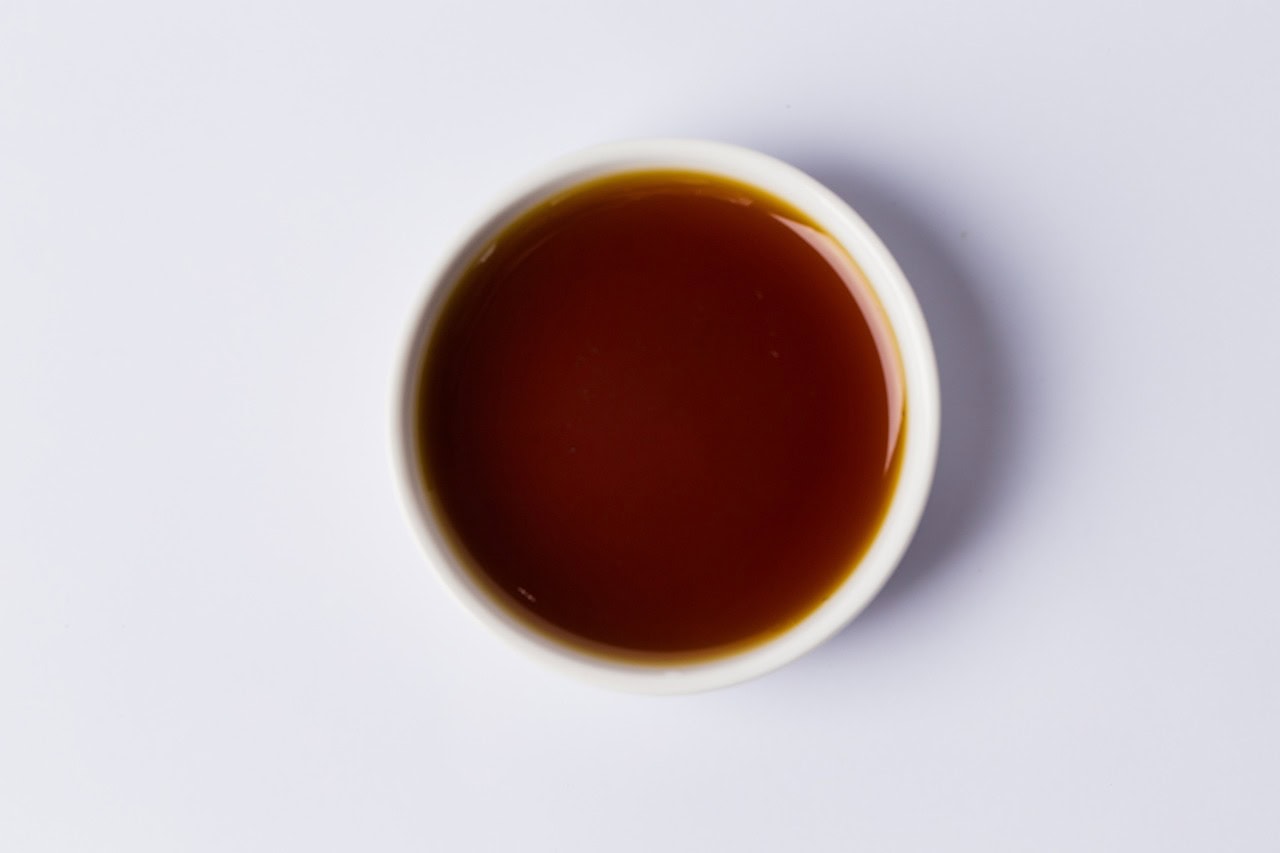
You can find out more directly from the product Apple pectin with inulin.
What does this mean for intestinal flora and conscious nutrition?
Inulin is not a miracle cure, but it is an exciting dietary fibre for people who are interested in intestinal flora, digestion and modern nutrition. Inulin is particularly useful when it is part of an overall high-fibre diet.
A gut-conscious diet does not just consist of a single ingredient. A variety of fibre sources, natural foods, sufficient fluids, regular meals and as few highly processed products as possible are important.
In this context, inulin can fit in well with a diet that should contain more plant diversity and soluble fibre.
Fulvicherb and inulin
Inulin plays an important role as a soluble fibre in Fulvicherb. In Fulvicherb Synergy it is combined with pectin, fulvic acid, herbs, arginine, niacinamide, natural unrefined rock salt, sunflower lecithin and other natural ingredients.
This product logic is particularly interesting for people who do not just want to supplement a single fibre, but prefer a liquid formula with prebiotic fibres, micronutrients and herbs.
If you want to focus specifically on dietary fibre, you can also Apple pectin with inulin into consideration.

Frequently asked questions about inulin
What is inulin?
Inulin is a soluble dietary fibre of plant origin. It belongs to the fructans and is found in chicory, Jerusalem artichoke, artichoke, onion and garlic, among others.
Is inulin a prebiotic?
Inulin is often referred to as a prebiotic fibre because it can serve as a food source for certain intestinal bacteria.
Can inulin cause flatulence?
Yes, especially at the beginning or with sensitive digestion, inulin can cause flatulence, a feeling of pressure or altered digestion. You should therefore start with small amounts and increase the amount slowly.
Is inulin suitable for everyone?
Not necessarily. People with sensitive intestines, irritable bowel syndrome or FODMAP sensitivity should test inulin carefully and check individually what amount is well tolerated.
What is the difference between inulin and pectin?
Both are soluble dietary fibres. Inulin is often regarded as a prebiotic fibre, while pectin can form a gel-like structure in combination with water and is also interesting in connection with intestinal flora and fermentation.
How can you integrate inulin into your diet?
Inulin can be stirred into water, juice, yoghurt, muesli, smoothies or food. It is important to start slowly and drink plenty of fluids.
Conclusion: Inulin as part of a fibre-conscious diet
Inulin is a versatile soluble fibre that occurs naturally in plants such as chicory and Jerusalem artichokes. It is of particular interest to people who are concerned with intestinal flora, digestion, dietary fibre and a conscious diet.
However, it is important to categorise it correctly: inulin does not replace a balanced diet. It is best suited to a lifestyle with natural foods, sufficient fluids, various sources of fibre and as few highly processed products as possible.
Apple pectin with inulin offers a targeted combination of two soluble dietary fibres. Fulvicherb Synergy combines inulin and pectin with herbs, fulvic acid, arginine, niacinamide and other natural ingredients.
 English (UK)
  Deutsch
  Italiano
  Français
  Español
  Polski
  Slovenčina
  Română