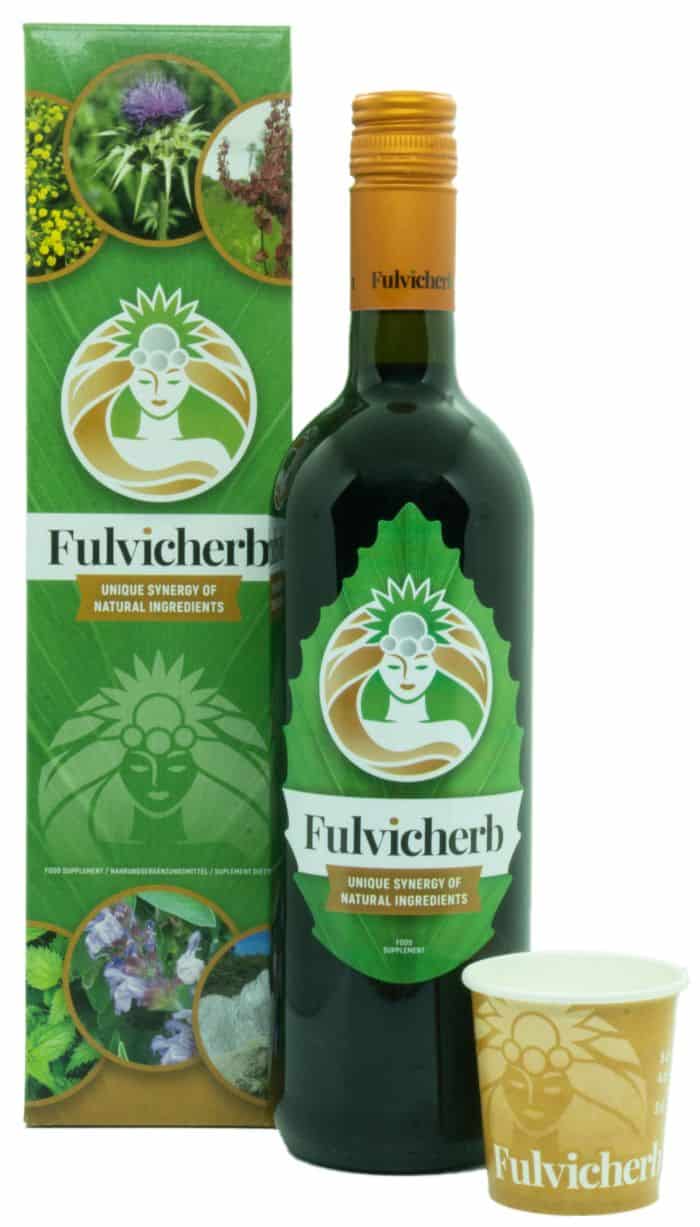



Description
What is fulvic acid?
Fulvic acid (also known as fulvic or fulvic acid) is one of the three components of humus. Fulvic acid is produced when microorganisms break down plant material in the soil. This is a very slow process that can take centuries. The resulting substance is extremely valuable for nature and humans.
Fulvic acid is a water-soluble substance with a low molecular weight. As a natural chelating and complexing agent, it promotes the absorption of substances. The complexes formed with fulvic acid are quickly and effectively absorbed in the small intestine. A single molecule of fulvic acid can supply the body with more than 60 elements.
The most important ingredient of Shilajit is fulvic acid. Many of the proven positive effects of shilajit are due to fulvic acid.
Is fulvic acid one of the humic substances?
Humic substances are produced by the biological decomposition of biomass and are found in soils and groundwater, among other places. The soluble components of humic substances are humic acid (HS) and fulvic acid (FS).
Fulvic acid reacts (binds) with all other inorganic and organic substances. It is a low-molecular organic molecule that is soluble in water, acids and bases at any pH value.
Humic acids - effect and difference
Larger molecules
The Main difference between humic acids and fulvic acids lies in their chemical composition. Humic acids have larger molecules and a more complex chemical structure. Fulvic acids are smaller and less complex, which gives us a clear advantage.
Limited solubility
Whilst Humic acids are only soluble under alkaline conditionsfulvic acids are soluble under both alkaline and acidic conditions. Fulvic acids can The new formula binds, transports and releases substances that are to be absorbed into the body more effectively.

Natural sources of fulvic acid
Fulvic acid is present in healthy, humus-rich soils, so that fulvic acid is continuously replenished naturally. This means that it is always naturally present in relatively high concentrations in the soil and therefore also in sufficient quantities in the plants. Today, however, it is no longer possible to speak of a natural state of the soil and plant production.
The role of microorganisms
The number of microorganisms necessary for the formation of fulvic acid decreases, the humus content of the soil is reduced and the plants are not sufficiently supplied with fulvic acid and nutrients. As a result, the plants grow more slowly, yields are lower and more fertilisers and chemicals have to be used to maintain production, which further exacerbates the situation.
As these processes reduce the amount of fulvic acid and other valuable nutrients in the plants, they also reduce the amount of these nutrients in the human body. As these harmful processes do not stop, it is becoming increasingly important to replenish the fulvic acid in the human body.
Natural environment and fulvic acids
Fulvic acids occur more frequently in water bodies than humic acids. It is important to know that our ancestors usually drank water from streams and rivers. Natural watercourses are replenished by rainfall. The water that flowed down from higher areas or seeped through the forest floor could carry a large amount of fulvic acid. The most important natural source of fulvic acid used to be the consumption of natural waterbe it from mountain streams or wells. Our ancestors drank water that was not only clean but also rich in fulvic acid, which greatly facilitated the absorption of nutrients.

The transport molecule of nature
Fulvic acid has many advantages and can react with almost all compounds due to its structure. It is the main active ingredient of Shilajit and offers the advantages associated with Shilajit.
It ensures safe absorption of the plant-based active ingredients. This is of crucial importance because Due to modern nutrition and lifestyle, the necessary transport molecules are often lacking in the body. If these are not present, many herbal active ingredients, food supplements or vitamins cannot be absorbed.
Fulvic acid in agriculture
In today's agriculture, the intensive use of fertilisers and the progressive leaching of soils lead to considerable nutrient losses. The use of aggressive chemicals to combat pests, fungi and pathogens is particularly problematic, as they have a lasting negative impact on soil quality. Natural sources of fulvic acid play a crucial role in maintaining soil fertility and the restoration of the nutrient balance.
Fulvic acid improves soil fertility and the absorption of nutrients. It can act as a chelating agent, i.e. it binds and absorbs essential minerals such as iron, zinc and magnesium so that they can be better utilised by the plants. It also stimulates root growth, promotes photosynthesis and increases stress tolerance, which is particularly important in times of drought or other environmental stresses. Nowadays, the supply of fulvic acid is also playing an increasingly important role in agriculture, as natural resources have been largely depleted by modern technology and environmental pollution.
Fulvic acid effect
Traditional medicine
Products containing fulvic acid have been used in medicine by the inhabitants of the Himalayan region for thousands of years. In India and Nepal it is known as Shilajit and was considered one of the most powerful rejuvenating agents in Tibetan medicine. Today, Western medicine has also recognised the positive effects of shilajit, as it contains a high concentration of fulvic acid, which has strong antioxidant properties.
Alkalising effect
Fulvic acid has a general Alkalising effect, which helps to restore a healthy pH balance in the bodyprevents long-term illnesses and protects against fungal and bacterial infections. It helps to maintain mental health. Due to the changes in our environment, the Natural sources of fulvic acid and it is worth supplementing it, as it has many positive properties.

Support for mental health
According to a study from 2011, the antioxidant and medicinal properties of the Fulvic acid helps to protect mental health from threatening diseases such as Alzheimer's.
Studies point out that Shilajit and its active ingredient fulvic acid can be used to treat brain disorders.
Detoxifying effect
It binds harmful toxins and supports their elimination. Due to its detoxifying properties, fulvic acid is particularly useful for a healthy Digestion and to increase the energy level. As a form of natural chelation therapy, it can neutralise toxins and heavy metals that enter the body via the air, sanitary facilities, medicines, air pollution or household products.
Anti-inflammatory effect
Reduces damage caused by free radicals and inflammation. It therefore contributes to cell health and general well-being. It protects the body against infections, keeps the hormone balance in equilibrium and supports energy production. However, an excess of free radicals can accelerate the ageing process and trigger the development of many diseases.
Fulvic acid has a detoxifying, anti-inflammatory and pain-relieving effect. It is an excellent choice especially for neurological, head, bone, cartilage and age-related muscle pain as well as arthritis.
Against tiredness
Fulvic acid increases the bioavailability of important nutrients such as minerals and trace elements so that the body can absorb and utilise them better. This allows the cells to optimise their energy production, which can lead to more vitality and less fatigue.
Support for the immune system
A Strengthened immune system is crucial in the fight against fatigue. The in Fulvicherb The herbs it contains have immune-boosting properties and help the body to cope better with stress.
Effect on skin and hair
Fulvic acid regenerates skin cells and helps to heal damaged skin more quickly. For conditions such as eczema and psoriasis, it has an anti-inflammatory effect and relieves irritation, redness and itching.

Fulvic acid helps the skin to retain moisture. This improves the elasticity of the skin and its general appearance. The substances contained in fulvic acid can support the detoxification of the skin by removing toxins and heavy metals. This improves the regeneration of the skin.
The main component of Shilajit is fulvic acid, and the benefits of shilajit derive from its fulvic acid content.
Possible side effects
Some studies show that fulvic acid can have unpleasant side effects in higher doses. These include diarrhoea, nausea, headaches, cramps and tiredness. This is because fulvic acid is a very powerful detoxifying agent. These side effects may be rare and brief at first and only occur at very high doses.
Transport molecule for minerals and trace elements
Fulvic acid is used as a complexing agent to ensure safe and efficient absorption of the active ingredients. (Complexing agents: active ingredients are better absorbed in the body when they are bound to other substances than when they are present on their own).
Fulvic acid is the low molecular weight form of humic acid. It is easily absorbed in the small intestine. Absorption takes place in the form of chelates and complexes.
Fulvic acid is one of the best complexing agents for an efficient arginine supply. This is the so-called "protected arginine", which is also known as the "fulvic acid-arginine complex". As its absorption does not depend on other factors (membrane transport proteins, lysine), it is extremely efficient.
The Fulvic acid-Arginine complex is a precursor of nitric oxide. It contributes to the dilation of blood vessels in the body and thus improves blood circulation. It is involved in the regulation of blood sugar and insulin levels, plays a role in the regulation of respiration and improves the performance and permeability of the kidneys.

The most effective excipient for arginine
What are lysine and arginine?
Excessive amounts of the "spicy" lysine are unfavourable for optimal blood circulation.
Both lysine and arginine are dibasic amino acids and utilise the same membrane-bound transport protein to mediate their transfer into and out of cells or cell organelles. There is therefore an antagonism between these two amino acids. Lysine, consumed as a free amino acid, causes an arginine deficiency in the body.
The absorption of lysine binds carrier molecules and disrupts the arginine metabolism, which leads to a localised arginine deficiency in the body.
Fulvic acid - Excipient for the absorption of arginine
If the use of lysine is so common, how can arginine get into the human body?
Fulvic acid has two beneficial properties for humans:
- Firstly, due to its molecular weight, it is easily absorbed in the first part of the small intestine (duodenum) by simple diffusion.
- Secondly, it contains a high number of carboxyl residues in relation to the weight of its molecule, which enables the binding of free amino acids in a complex form.
Fulvic acid is absorbed as a complex with the free amino acids in food, especially with lysine. If lysine is absorbed as a complex, no lysine-arginine antagonism occurs.
When arginine in the form of a Fulvic acid - arginine complexit is absorbed, there is no amino acid antagonism.
The properties of arginine
The presence of arginine in the body enables the formation of nitric oxide and vasodilation (a widening of the blood vessels). The latter physiological effect promotes blood circulation and contributes to the maintenance of optimal blood pressure.
A large number of research papers claim that homeostasis (a state of stable internal, physical and chemical conditions) in the body can only be ensured by a sufficient supply of arginine. The lack of arginine (as NO donor) leads to a variety of imbalances (Marcin Magierowski, Katarzyna Magierowska, Slawomir Kwiecien and Tomasz Brzozowski Department of Physiology, Jagiellonian University Medical College, Krakow, Poland. Molecules 2015, 9099-9123 (This article provides a good overview of the diverse role of NO in the body).
What is nitric oxide (NO)?
Nitric oxide (NO) is a signalling molecule that plays an important role in the human body and contributes to several physiological and pathophysiological processes. As far as we know, nitric oxide is produced in the body from L-arginine by 4 types of nitric oxide synthase (NOS) enzymes.
The effect of nitric oxide (NO)
Nitric oxide, which is produced in various places, plays numerous roles in the body:
- In the control of optimal blood pressure through its effect on the vasodilation of blood vessels and capillaries.
- In wound healing through the formation of fibroblasts, through the growth of new blood vessels.
- It reduces the amount of the enzyme superoxide dismutase, which causes cell damage.
- It reduces the adhesion of the formed elements of the blood.
- It contributes to the smooth functioning of cell-mediated immunity.
The integrity of the oesophagus, stomach and intestinal mucosa also depends on nitric oxide. A lack of nitric oxide plays a role in the development of Crohn's disease, ulcerative colitis and irritable bowel syndrome.
Nitric oxide (NO) in science
Nitric oxide deficiency impairs the Krebs cycle (also known as the citric acid cycle), a series of biochemical reactions responsible for the majority of energy requirements in complex organisms.
A team of researchers from Italy and England recently published the results of a study showing that insulin sensitivity of cells can be enhanced by increasing nitric oxide (NO) levels, which can be promoted by the administration of L-arginine, the donor of NO (Piatti PM, Monti LD, Valsecchi G, Magni F, Setola E, Marchesi F, Galli-Kienle M, Pozza G, Alberti KGMM). Long-term oral administration of L-arginine improves peripheral and hepatic insulin sensitivity in type 2 diabetics (Diabetes Care, 2001 May; 24 (5): 875-80).
Arginine supplementation with fulvic acid
L-arginine supplementation improves insulin sensitivity and beta cell function in the offspring of diabetic rats through activation of AKT and PDX-1 (Diego Soares Carvalho, Marilia Melo Diniz, André Abour Haidar, Maria de Fátima Cavanal, Eduardo da Silva Alves, Angelo Rafael Carpinelli, Frida Zaladek Gil, Aparecida Emiko Hirata European Journal of Pharmacology. 15 Nov 2016; 791:780-787. doi: 10.1016/j.ejphar. 2016.10.001. Epub 4 Oct 2016).
Fulvicherb - Synergy contains arginine (the most important precursor of nitric oxide) in a patented form - the Fulvic acid-arginine complex. It can be absorbed by simple diffusion at the beginning of the small intestine without a carrier molecule (membrane transporter protein). Many people have a small amount of these molecules as they are only available in the body to a limited extent.














 English (UK)
  Deutsch
  Italiano
  Français
  Español
  Polski
  Slovenčina
  Română
Dirk Grabbe (verified owner) -
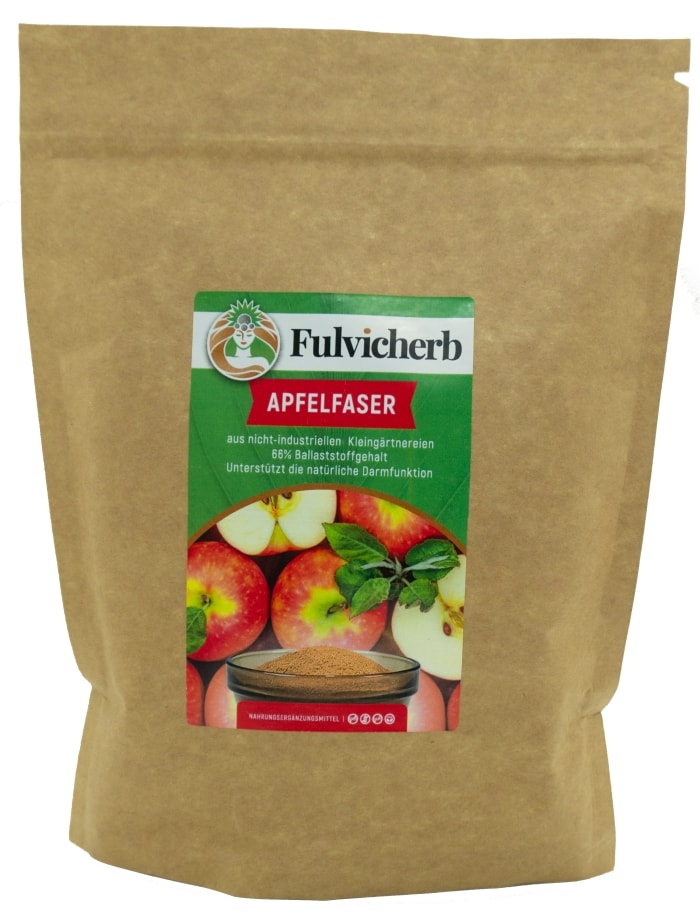
Corona vaccinations and longcovid as well as my age have derailed me from the health track and my sport that requires fitness. Medications that help have ultimately caused my intestines to suffer. I discovered this shop almost by chance and like to cling to the statement that there is an herb for every ailment. The products have indeed improved my well-being considerably. My metabolism is well balanced and I am finally more alert again. The drink, as well as inulin and apple fibre, have helped a lot.
The 40 ml per day in 2 parts of 20 ml is advisable at the beginning. The first week was not always easy but beneficial. (Metabolism) The flavour is not a problem even in the morning and Pur is also pleasant after a short time.
The apple fibre powder should at least be tried, I have given it up for the time being in the 2nd order. I will continue to use the products to maintain my well-being, at the moment
It will be a kind of cure for the longer term because in my case it actually restores fitness and does so naturally.
Thank you, and I am glad to have discovered this.
H (verified owner) -
The flavour takes some getting used to, but it really works.
KatrinK. -
In the beginning I took it immediately after eating, according to the instructions. This was unfavourable for me (irritable bowel syndrome), so now I take a spoonful before meals or as required and I get on really well with it. The flavour is not so bitter, but more like a gravy with herbs.
Silvershine83 -
I am totally enthusiastic about reducing my regular pain on a natural basis and being fitter in general.
I also have much less intestinal discomfort after eating.
I am really enthusiastic!
Fraenkin1968 -
The first taste impression took some getting used to, but improved from day to day. My bowels and therefore my general well-being are definitely better.
Anna-Lena -
A really great drink. It helps me with various complaints, such as stomach ache or stomach pain. And I feel more energised after taking it
Catestetes -
I feel fitter and more energised. Even cold viruses can no longer harm me.
The flavour took some getting used to at first.
I have taken a cure with my 2 bottles, I will definitely order again soon!
Sonja -
Support my intestines with it and have already noticed a few successes 👍.
A.F. -
I have already bought 3 bottles. It relieves my rheumatic pain very well. So I don't have to take any more painkillers. And I feel fitter. I can only recommend it wholeheartedly.