Pesticides, glyphosate, atrazine and modern nutrition
Pesticides are among the most discussed topics in modern agriculture. They are used to protect plants from insects, fungi, weeds and other pests. At the same time, many people are concerned with the question of what role pesticide residues, herbicides, fungicides and insecticides can play for food quality, intestinal flora, digestion and a conscious diet.
Particularly common are Glyphosate, Atrazine, certain Chitin synthesis inhibitors, GMO soya, pesticide residues and highly processed foods. It is important to note that not every contact with a residue automatically means an acute health risk. Nevertheless, it is understandable that many people want to reduce their exposure to intensive agriculture.
In this article, you will find out why pesticides are viewed critically, what role glyphosate and atrazine play, what this has to do with gut flora and modern nutrition and how you can make more conscious decisions in your everyday life.
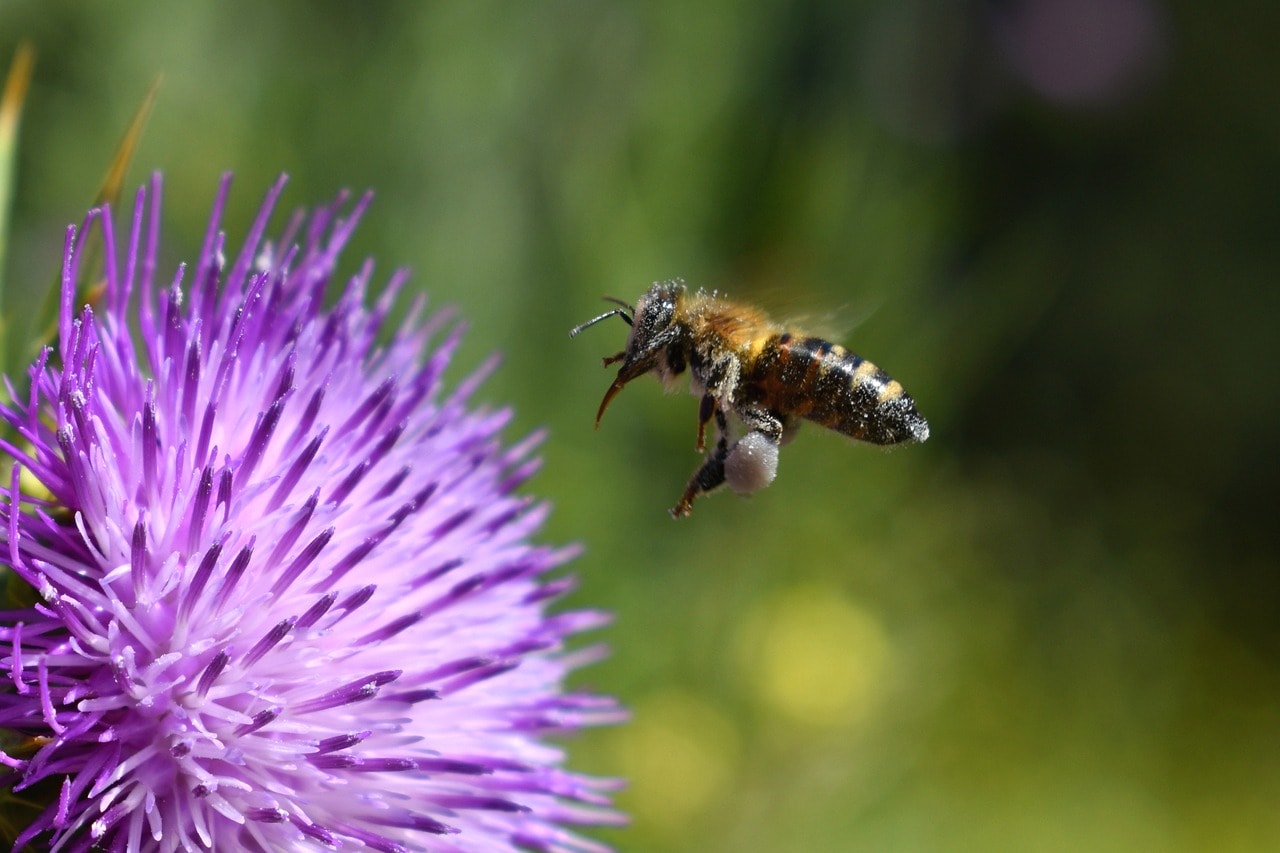
Briefly explained: Pesticides and modern nutrition
- Pesticides are used in agriculture to combat pests, fungi or unwanted plants.
- Glyphosate is an herbicide and is often discussed in connection with GMO soya, maize, cereals and animal feed.
- Atrazine is an herbicide that is mentioned in many discussions about endocrine disruptors.
- Residues depend on the cultivation method, control, processing and legal limits.
- The entire diet is important for intestinal flora and digestion: fibre, variety, freshness and as little highly processed food as possible.
- Organic products, regional origin and short lists of ingredients can provide good orientation.
What are pesticides?
The term Pesticides comprises various groups of substances. These include herbicides against unwanted plants, fungicides against fungi and insecticides against insects.
In modern agriculture, such agents can help to reduce crop losses and protect plant populations. At the same time, they are discussed in connection with residues, environmental pollution, soil quality, water, biodiversity and food quality.
Consumers are therefore not only interested in a single active ingredient. The entire environment is important: cultivation methods, origin, processing, animal feed, food control and the daily diet.
Insecticides, fungicides and chitin synthesis inhibitors
Some insecticides and fungicides work by influencing certain biological processes in insects or fungi. This also includes active substances that are used in connection with the Chitin synthesis be considered.
Chitin is an important structural substance in insects, fungi and some other organisms. Humans do not produce chitin. Nevertheless, researchers are discussing how certain metabolic pathways, enzyme systems or precursors in different organisms may be connected.
A cautious categorisation is important here: a direct effect on human connective tissue cannot automatically be derived from a mechanism of action in insects or fungi. It makes more sense to take a sober view of residues, exposure, safety assessment and long-term food quality.
Glyphosate: Why this herbicide is so frequently discussed
Glyphosate is one of the best-known herbicides worldwide. It is mainly discussed in connection with modern agriculture, certain cultivation systems, GMO plants, soya, maize, cereals and animal feed.
The assessment of glyphosate is complex. Some institutions and studies take a critical view of possible risks, while other authorities draw different conclusions when used as intended. Glyphosate should therefore neither be dramatised nor trivialised.
For consumers, it is particularly relevant how often glyphosate-treated raw materials can occur in the food chain, which residues are monitored and how strongly their own diet is characterised by highly processed products, animal feed chains and conventional agriculture.

Glyphosate, GMO soya and animal feed
Glyphosate is often used together with GMO soya, maize and industrial animal feed. The reason: in some cultivation systems, plants are bred or genetically modified in such a way that they tolerate certain herbicides better.
A large proportion of soya and maize is not eaten directly as food, but is used as animal feed or processed into ingredients. This means that issues such as pesticides, GMOs, animal feed and meat quality can be indirectly linked.
You can find out more about this in the article on Industrialised animal feed and meat quality.
Glyphosate, intestinal flora and intestinal mucosa
Glyphosate is also used in connection with Intestinal flora, intestinal barrier, mucosa and microbiome. However, the data is not easily transferable to everyday life because dose, duration of exposure, dietary pattern, individual starting point and type of study play a major role.
Instead of looking at individual substances in isolation, it makes sense to consider the overall quality of the diet. A diet with lots of vegetables, sufficient fibre, natural foods and few highly processed products creates a different environment for the gut than a diet with lots of sugar, white flour, additives and long lists of ingredients.
For the Digestion It is therefore not only possible residues that are of interest. Fibre, liquid, freshness, variety and individual tolerance also play an important role.
Atrazine and endocrine disruptors
Atrazine is a herbicide that is often discussed in connection with endocrine disruptors. Various studies are looking at whether and how such substances can influence hormonal signalling pathways.
Atrazine is particularly frequently mentioned in connection with aromatase, testosterone, oestrogen, reproductive biology and environmental exposure. These issues are complex and highly dependent on dose, exposure, organism, study design and environmental conditions.
A careful categorisation is therefore important: atrazine should not be described with simple statements such as „causes disease X”. It is better to consider it objectively as an environmental substance that is critically discussed in research and regulation.
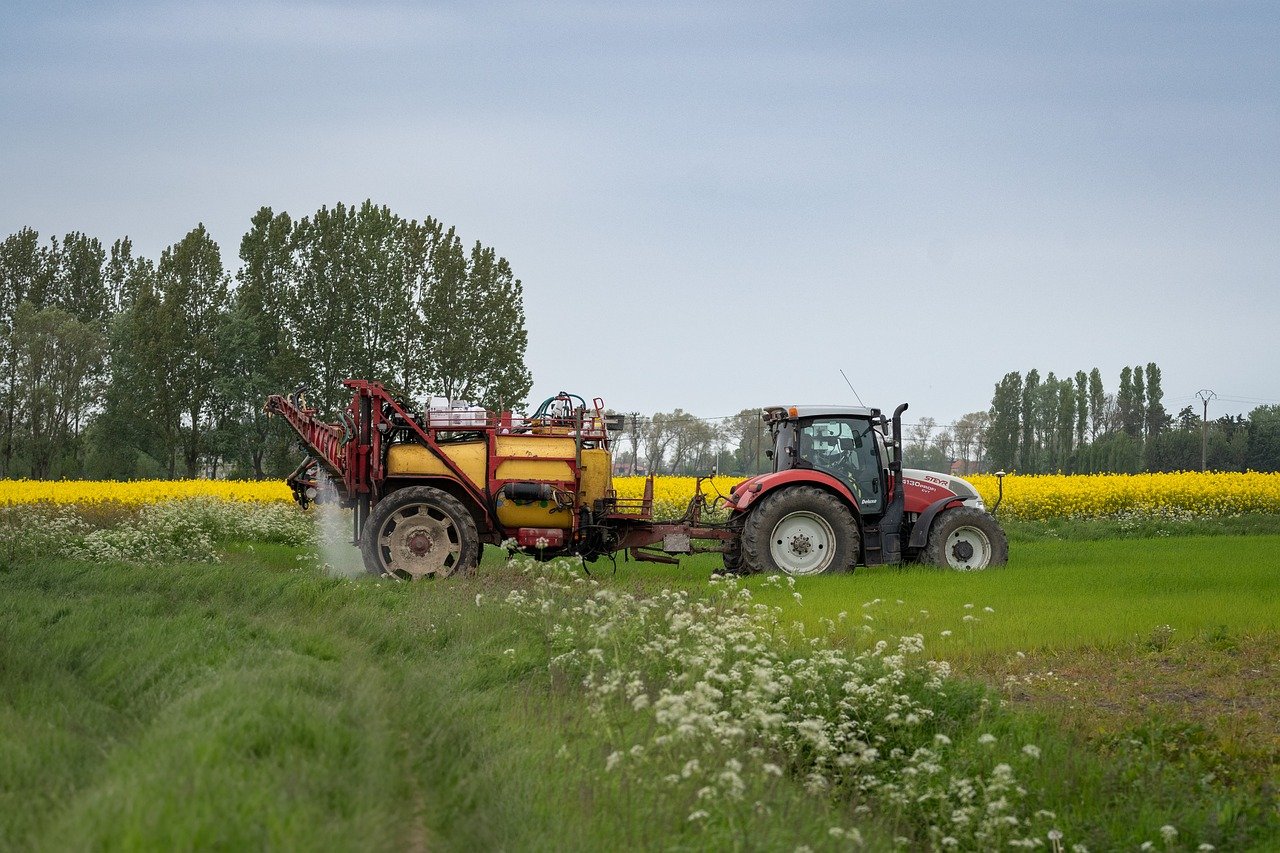
Pesticide residues and food quality
The presence of pesticide residues in food depends on many factors: Cultivation method, active ingredient, time of harvest, storage, processing, origin and control. Legal limits are intended to regulate exposure, but are no substitute for a conscious look at the entire diet.
Many people therefore favour organic products, regional producers and food that is processed as little as possible. This does not mean that every organic product is perfect. However, it can provide useful guidance if you want to reduce residues from intensive farming.
It is particularly worth taking a closer look at the origin and list of ingredients of products from global raw material chains. These include soya, maize, cereal products, vegetable oils, sweeteners, protein isolates and highly processed convenience products.
Modern nutrition: when many factors come together
Modern nutrition is rarely just about a single substance. Several factors often come together: Pesticide residues, highly processed raw materials, additives, sugar, fructose syrup, refined carbohydrates, little fibre and a high proportion of industrial food.
It is precisely this combination that is more relevant for many people than the question of whether a single food is occasionally problematic. The decisive factor is what is eaten regularly and in large quantities.
You can find out more about sugar, white flour and fast carbohydrates in the article on Refined carbohydrates, sugar and intestinal flora.
Fermented foods, additives and intestinal flora
Traditionally fermented foods can be part of a varied diet. At the same time, many modern convenience products are not really fermented, but are preserved, sweetened or made to taste more intense with additives, flavourings, acidity regulators, sweeteners or flavour enhancers.
This does not mean that every additive is automatically problematic. Nevertheless, it is worth reading ingredient lists more carefully. The longer and more incomprehensible the list of ingredients is, the more a food has usually been processed.
You can find out more in the article about Artificial sweeteners, E-numbers and intestinal flora.
Whole grains, bran and fibre: a differentiated view
Fibre is an important part of a gut-conscious diet. Nevertheless, fibre sources differ significantly from one another. Bran, for example, contains many insoluble components, while pectin and inulin are soluble fibres.
Some people tolerate wholemeal products very well. Others react more sensitively to bran, wheat components or very coarse fibre sources. Therefore, it is not only the amount of fibre that is important, but also the type of fibre and individual tolerance.
Soluble dietary fibres such as Inulin and pectin are often considered in connection with intestinal flora, fermentation and digestion. Also Pure apple fibre may be of interest to people who want to make their diet more fibre-conscious.
Fructose, corn syrup and highly processed foods
Fructose occurs naturally in fruit. In whole fruit, however, it is embedded in a food compound consisting of water, fibre, plant substances and micronutrients.
The situation is different with highly processed foods, sweetened drinks, sweets and products containing fructose syrup or glucose-fructose syrup. Sugar can be absorbed quickly and in large quantities without being very filling.
A permanently high consumption of such products is often considered in connection with metabolism, satiety, liver metabolism and modern nutrition. The decisive factor here is not a single sweet ingredient, but the entire diet.
You can find out more about this topic in the article What is fructose?.
Omega-3 and omega-6: keeping an eye on fat quality
Fat quality also plays an important role in modern nutrition. Omega-3 and omega-6 fatty acids are essential fatty acids and fulfil important functions in the body.
In many modern diets, the proportion of omega-6-rich vegetable oils, convenience products and processed foods is higher than it used to be. At the same time, many people eat less omega-3-rich foods such as oily fish, linseed, chia seeds and walnuts.
Instead of emphasising rigid figures, it makes sense to take a practical approach: fewer highly processed products, high-quality sources of fat, more natural foods and an overall balanced diet.
How can you reduce pesticides and residues in your everyday life?
You don't have to eat perfectly to be more conscious about your diet. Just a few simple steps can help:
- Favour organic products if it is possible for you
- Wash fruit and vegetables thoroughly
- Choose regional and seasonal foods
- Reduce highly processed foods
- Read ingredient lists
- Pay attention to the origin of soya, maize, cereals and convenience products
- Integrate more natural sources of fibre
- Reduce sweetened drinks and fructose syrups
- Favour meat products from transparent origins
What does this mean for intestinal flora and conscious nutrition?
No single substance alone is decisive for the intestinal flora. The entire nutritional environment is more important: fibre, variety, fresh food, sufficient fluids, high-quality protein sources, good fat quality and as few highly processed products as possible.
If you want to reduce pesticide residues, additives and highly processed foods, you can gradually make your diet more natural. Vegetables, pulses, nuts, seeds, high-quality fats and soluble fibre are particularly well suited to a gut-conscious diet.
In this context, inulin, pectin and apple fibre can be interesting ingredients because they are often considered in connection with dietary fibre, intestinal flora, fermentation and digestion.
Fulvicherb Synergy in the context of modern nutrition
Fulvicherb Synergy was developed as a liquid formula with fulvic acid, inulin, pectin, arginine, niacinamide, natural unrefined rock salt, sunflower lecithin and selected herbs.
The recipe is suitable for people who want to be more conscious about their diet, reduce highly processed foods and integrate prebiotic fibre more easily.
However, the focus should always be on the overall diet. Fulvicherb Synergy does not replace a balanced lifestyle, but can be used as a complementary liquid formula in a conscious nutritional concept.

Frequently asked questions about pesticides, glyphosate and modern nutrition
What are pesticides?
Pesticides are substances that are used in agriculture against unwanted plants, fungi, insects or other pests. These include herbicides, fungicides and insecticides.
Why is glyphosate so frequently discussed?
Glyphosate is one of the best-known herbicides. It is often considered in connection with GMO soya, maize, cereals, animal feed, residues and modern agriculture.
What does glyphosate have to do with gut flora?
Glyphosate is also discussed in research and by the public in connection with intestinal flora and the microbiome. However, the data situation is complex. The overall nutritional quality remains particularly important for everyday life.
What is atrazine?
Atrazine is a herbicide that is often mentioned in connection with environmental substances and endocrine disruptors. The assessment depends on exposure, dose, study design and regulation.
Are all pesticide residues dangerous?
Not automatically. Residues are regulated and controlled by law. Nevertheless, many people want to reduce their exposure and therefore favour organic products, regional origin and food that is processed as little as possible.
How can pesticide residues be reduced?
Organic products, seasonal food, thorough washing, regional origin, short ingredient lists and less processed products can be good points of reference.
What role does fibre play?
Dietary fibres are an important part of a gut-conscious diet. Soluble fibres in particular, such as inulin and pectin, are often considered in connection with intestinal flora, fermentation and digestion.
Conclusion: consciously categorise pesticides and make food more natural
Pesticides, glyphosate, atrazine and residues are among the complex issues of modern agriculture. It is important to classify them objectively: not every residue automatically means an acute risk, but many people want to consciously make their diet more natural, richer in fibre and less processed.
It makes particular sense not just to look at individual substances, but to improve the overall quality of our diet: more natural foods, more fibre, more variety, sufficient fluids and fewer highly processed products.
Fulvicherb Synergy fits into this concept as a liquid formula with fulvic acid, inulin, pectin, arginine, niacinamide, herbs and other natural ingredients - for people who want to consciously supplement their diet.
 English (UK)
  Deutsch
  Italiano
  Français
  Español
  Polski
  Slovenčina
  Română