Lysine, free amino acids and modern animal nutrition
Lysine is an essential amino acid and an important building block of proteins. In natural foods, lysine is normally found bound in complete proteins - for example in meat, fish, eggs, pulses or dairy products.
In the modern food and animal feed industry, however, lysine is often also used as a free amino acid used. L-lysine can be used in industrial animal feed in particular to specifically supplement the amino acid profile and make feed utilisation more economical.
This is precisely why lysine is now not only considered in connection with protein supply, but also with industrial animal feeding, GMO soya, Glyphosate, Intestinal flora, Digestion, Arginine, Tryptophan, Niacin, Nicotinamide, NAD+ and modern nutrition.
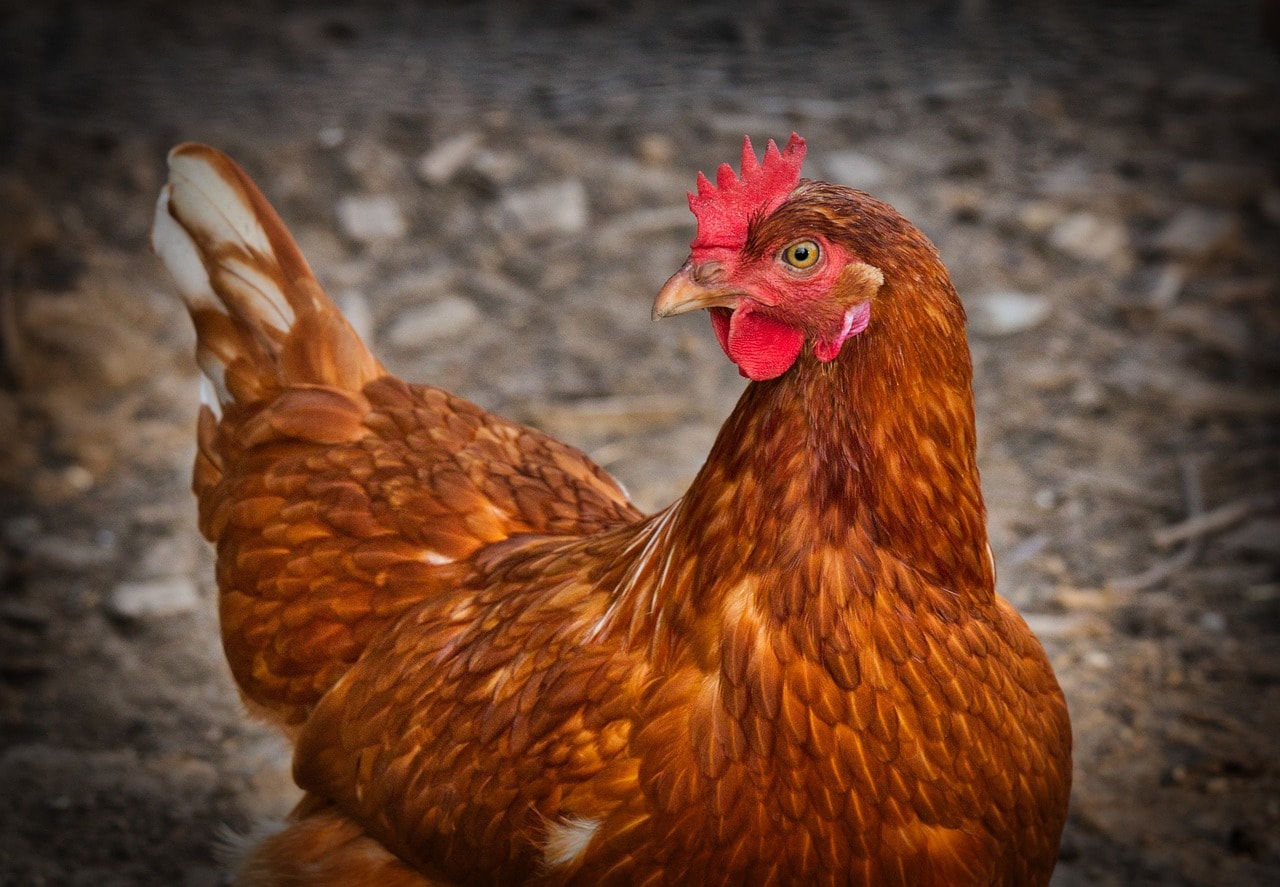
Briefly explained: Lysine and free amino acids
- Lysine is an essential amino acid and a component of many proteins.
- In natural foods, lysine is usually found bound in complete proteins.
- Lysine can be added to animal feed and food supplements as a free amino acid.
- Free amino acids differ from amino acids in natural food compounds.
- Lysine is often considered in connection with arginine, tryptophan, niacin and modern animal nutrition.
- The decisive factors are quantity, ratio, quality of the diet and individual starting point.
What is lysine?
Lysine is one of the essential amino acids. This means that the body cannot produce sufficient quantities of it itself and is dependent on its intake through food.
In natural foods, lysine is part of complete proteins. During digestion, these proteins are gradually broken down into peptides and individual amino acids. As a result, lysine enters the metabolism together with many other amino acids.
The situation is different with isolated added L-lysine. Here the amino acid is already free and unbound. This is not automatically problematic, but should be categorised differently to lysine from natural protein sources.
Why is lysine used in animal feed?
In industrial animal feed, free amino acids such as lysine, methionine or threonine are used to specifically supplement the amino acid profile of animal feed.
Lysine can play a particularly important role in feed based on maize, wheat or soya, as certain amino acids can be limiting in relation to other nutrients. By supplementing individual amino acids, the feed composition can be controlled more economically and precisely.
From a consumer perspective, this topic is interesting because it shows how strongly modern food chains are linked to industrial animal feed, global raw materials, free amino acids and feed optimisation.
You can find out more in the article about Free amino acids in food and animal feed.
Lysine as a food additive and food supplement
Lysine is not only used in animal feed. L-lysine can also be found in food supplements, protein products, sports nutrition and certain fortified foods.
Researchers are investigating how increased lysine intake can affect various parameters. These include, for example, body weight, feed intake, blood values, metabolic parameters or the ratio to other amino acids.
It is important to make a factual categorisation: lysine is a vital protein building block. At the same time, a permanently high isolated intake of individual amino acids should not be viewed uncritically. The dose, overall diet, individual starting point and the form in which amino acids are ingested are decisive.
Free amino acids and natural proteins: the difference
Amino acids from natural foods are usually present as complete proteins. These proteins are gradually broken down in the digestive tract. This produces peptides and free amino acids.
Free amino acids on the other hand, are already isolated. This means that they can appear differently in the digestive tract than amino acids from whole foods.
This does not mean that free amino acids are fundamentally problematic. But it does show why quantity, combination and food quality are important - especially in highly processed protein products, animal feed, food supplements and functional foods.
Lysine, arginine and amino acid antagonism
Lysine is often used in connection with Arginine considered. Both belong to the basic amino acids and are often discussed together in nutritional physiology.
With the so-called Amino acid antagonism The point is that individual amino acids can affect similar transport or metabolic pathways. If an amino acid is isolated and consumed in very high quantities, this can influence the ratio to other amino acids.
In everyday life, however, it is important to realise that not every theoretical competition is automatically problematic. The entire diet is decisive. Natural protein sources always provide a broader amino acid profile and not just a single isolated amino acid.
Lysine, arginine, nitric oxide and kynurenine pathway
The connection between lysine, arginine and the Kynurenine metabolism is discussed in nutritional physiology and biochemistry. This includes the relationship between free amino acids, arginine, nitric oxide and tryptophan metabolism.
In the body, arginine is associated with the formation of nitric oxide, or NO for short. NO is a signalling molecule and plays a role in various physiological processes. An altered ratio of lysine and arginine can therefore be of particular interest when individual amino acids are isolated and ingested in higher quantities.
The kynurenine pathway describes an important metabolic pathway via which Tryptophan can be further processed. An early step in this pathway is associated with the enzyme indoleamine-2,3-dioxygenase, or IDO for short. Research is looking at how tryptophan availability, immune processes, NO signalling pathways and micronutrient status may be linked.
These relationships are complex. They should therefore not be understood as a simple cause-and-effect chain. For the daily diet, it remains crucial not to consider isolated amino acids in isolation from protein quality, fibre, intestinal flora, micronutrients and the overall dietary pattern.
GMO soya, glyphosate and animal feed
Modern animal feed is often linked to global raw material chains. These include soya, maize, cereals, protein concentrates, oils and supplementary amino acids.
Glyphosate is often mentioned in this context because it can play a role in certain cultivation systems for soya, maize or other crops. The link between herbicide tolerance, animal feed production and residues is discussed particularly in the case of GM soya.
The assessment of glyphosate is scientifically and regulatory complex. Residues do not automatically mean an acute risk. Nevertheless, it is understandable that many people want to pay attention to origin, feeding, residues, organic quality and transparency.
Glyphosate, gut flora and microbiome
Glyphosate is often used in connection with Intestinal flora, microbiome and digestion. The data is not easily transferable to everyday life because dose, duration, animal species, dietary pattern and study design play a major role.
It therefore makes sense for consumers to make a sober categorisation: the decisive factor is not just a single substance, but the entire nutritional environment. This includes food quality, fibre, freshness, processing, residues and the variety of the daily diet.
You can find out more about intestinal flora and nutrition in the article on Intestinal bacteria and colon function.
Intestinal flora, microbial metabolites and sensitive digestion
The intestinal flora can produce various metabolic products. Some of these are desirable and are considered in connection with fermentation and short-chain fatty acids. Other microbial metabolites are discussed more in connection with food quality, ripening, spoilage, sensitive digestion or individual tolerance.
In this context, terms such as biogenic amines, Enterotoxins or Neurotoxins. The relevance of such substances can vary depending on the type, quantity, source and individual sensitivity. However, it is important to categorise them objectively: not every fermented or protein-rich food is automatically problematic.
It is worth taking a close look at the freshness, storage, processing and personal tolerance of highly processed meat products, products that have been stored for a long time, unfavourably stored fish, fermented foods or products with many additives.
You can find out more about biogenic amines in the article on Biogenic amines, intestinal flora and digestion.
Tryptophan, niacin and the kynurenine pathway
Another exciting connection concerns the amino acid Tryptophan. Tryptophan can be synthesised in the body via the so-called Kynureninweg are metabolised. This metabolic pathway is associated with the formation of nicotinic acid, nicotinamide and NAD+.
Niacin, vitamin B3, includes nicotinic acid and nicotinamide. These compounds play an important role in energy metabolism because they are linked to NAD+ and NADH.
Intestinal flora is also discussed in connection with tryptophan and vitamin B metabolism. Certain microorganisms can be involved in the formation or conversion of various metabolic products. However, many factors are decisive: diet, microbiome, protein quality, fibre, micronutrients, liver metabolism and individual starting position.
It is important to note that these biochemical relationships are complex. They show how closely linked amino acids, micronutrients, liver metabolism, intestinal flora and energy processes are. However, they should not be understood as a simple cause-and-effect chain.
Nicotinamide, vitamin B3 and NAD+
Nicotinamide is a form of vitamin B3. Vitamin B3 is involved in normal metabolic processes and is closely related to NAD+ and NADH.
NAD+ is a coenzyme that is found in many cells and is involved in important metabolic processes. It plays a role in the transfer of electrons and is closely linked to energy production in the mitochondria.
In research, NAD+ precursors are often investigated in connection with energy metabolism, cell metabolism, mitochondria, ageing processes and bioenergetic issues. However, it should not be inferred from this that a dietary supplement automatically has therapeutic effects in diseases.
A safe and legally clean classification is important for nutrition: Niacin contributes to normal energy metabolism, to the normal function of the nervous system, to the reduction of tiredness and fatigue and to the maintenance of normal mucous membranes.
NAD+ / NADH, citrate cycle and energy homeostasis
The relationship between NAD+ and NADH is often considered in connection with metabolic pathways such as glycolysis, the citrate cycle and fatty acid oxidation. Both forms interact with each other and are involved in redox processes.
In the citrate cycle and in the mitochondrial respiratory chain, NAD+ and NADH play an important role in the transfer of electrons. Put simply, these coenzymes help to utilise energy from nutrients for cellular processes.
The ratio of ADP and ATP is also considered in the context of energy balance and cell metabolism. These processes are finely regulated and depend on many factors: Micronutrient status, nutrition, oxygen availability, mitochondrial function, exercise, sleep and general lifestyle.
For consumers, one practical conclusion is particularly important: a conscious diet should not only look at individual amino acids or individual micronutrients, but also at the interplay of protein quality, fibre, vitamins, minerals, intestinal flora and as few highly processed foods as possible.
Niacinamide in Fulvicherb Synergy
In Fulvicherb Synergy contains niacinamide as a source of vitamin B3. Niacin contributes to normal energy metabolism, to the normal function of the nervous system, to the reduction of tiredness and fatigue and to the maintenance of normal mucous membranes.
These authorised claims make niacinamide a useful micronutrient within a formulation that also contains fulvic acid, arginine, inulin, pectin, herbs and other natural ingredients.
You can find out more about the composition on the page Natural ingredients.
What does this mean for meat quality?
Meat quality depends on many factors: Animal husbandry, feeding, animal health, processing, freshness, storage and preparation. Industrialised animal feed is only one part of the overall picture.
If you eat meat, you can pay attention to transparent origin, minimised processed products and good quality. Fresh meat should be valued differently to heavily processed meat products with a long list of ingredients.
Sausages, salami, meat snacks and convenience products in particular often contain additional salt, preservatives, spice mixtures, nitrite curing salt, flavour enhancers or other additives.

Processed meat products and additives
Processed meat products are a good example of why modern nutrition should not be viewed solely in terms of individual nutrients. Several factors often come together here: Meat quality, feeding, processing, salt, preservation, additives, maturing and storage.
Biogenic amines can also play a role in matured, fermented or long-stored products. These include, for example, histamine, putrescine or cadaverine. These substances are produced by microbial processes and are particularly considered in the context of food quality and individual tolerance.
You can find out more in the article about Biogenic amines and intestinal flora.
How can you make more conscious choices in everyday life?
You don't need to know every detail of feed production to make better decisions. Even simple points of reference can help:
- Favour fresh food
- Reduce highly processed meat products
- Pay attention to origin and farming method
- Favour organic or pasture products if possible
- Read ingredient lists for sausages, snacks and ready meals
- Critically examine protein products with many additives
- Choose natural protein sources instead of highly enriched products
- Integrate sufficient fibre into your diet
What does this mean for digestion, intestinal flora and dietary fibre?
It is not just the amount of protein or amino acids that is crucial for digestion. The entire nutritional environment is important: natural foods, sufficient fibre, a diverse intestinal flora, fresh protein sources and as few highly processed products as possible.
Modern diets with lots of protein products, processed meat products and isolated amino acids often lack an important counterbalance: Prebiotic dietary fibres. They are often associated with intestinal flora, fermentation and normal digestive function.
Particularly soluble dietary fibres such as Inulin and pectin go well with a fibre-conscious diet. Also Pure apple fibre may be of interest to people who want to make their daily fibre intake more natural.
Anyone concerned with lysine, free amino acids, animal feed and modern nutrition should therefore not only pay attention to protein, but also to digestion, intestinal flora, dietary fibre, food quality, processing and origin.
Fulvicherb Synergy in the context of modern nutrition
Fulvicherb Synergy combines fulvic acid, arginine, inulin, pectin, niacinamide, natural unrefined rock salt, sunflower lecithin and selected herbs in a liquid formula.
The recipe is suitable for people who are concerned with intestinal flora, digestion, free amino acids, dietary fibre and modern nutrition and want to consciously supplement their diet.
However, the focus should always be on the overall diet. Fulvicherb Synergy does not replace a balanced lifestyle, but can be used as a complementary liquid formula in a conscious nutritional concept.

Frequently asked questions about lysine, free amino acids and animal feed
What is lysine?
Lysine is an essential amino acid and a building block of proteins. The body cannot produce sufficient amounts of lysine itself and must absorb it from the diet.
Why is lysine used in animal feed?
Lysine is used in animal feed to specifically supplement the amino acid profile. In industrial feed in particular, L-lysine can help to control recipes more economically and precisely.
Are free amino acids problematic?
Not automatically. The decisive factors are the quantity, combination, individual tolerance and the diet as a whole. A permanently high isolated intake of individual amino acids should be considered consciously.
What does lysine have to do with arginine?
Lysine and arginine are often considered together because they both belong to the basic amino acids. If the intake of individual amino acids is high in isolation, the ratio between them can play a role.
What does glyphosate have to do with animal feed?
Glyphosate is often discussed in connection with soya, maize, GMO cultivation systems and animal feed. The assessment is complex and depends on the cultivation method, residues, control and dietary patterns.
What role does fibre play in a high-protein diet?
Dietary fibres are an important counterbalance to diets with a strong emphasis on protein or highly processed foods. Prebiotic fibres in particular, such as inulin and pectin, are often considered in connection with intestinal flora, fermentation and digestion.
What is the Kynurenin Way?
The kynurenine pathway is a metabolic pathway via which tryptophan can be further processed. It is often considered in connection with niacin, nicotinamide, NAD+, immune processes and energy metabolism.
What is NAD+?
NAD+ is a coenzyme that is involved in many metabolic processes. It is associated with energy production, cell metabolism and the conversion of nutrients.
What role does niacinamide play?
Niacinamide is a form of vitamin B3. Niacin contributes to normal energy metabolism, to the normal function of the nervous system, to the reduction of tiredness and fatigue and to the maintenance of normal mucous membranes.
Conclusion: consciously categorise lysine and free amino acids
Lysine is an important essential amino acid. The topic becomes particularly interesting where lysine does not occur in the natural protein compound, but is used in isolation as a free amino acid in animal feed, food supplements or modern protein products.
At the same time, the topic shows how closely modern nutrition, industrial animal feed, GMO soya, glyphosate, intestinal flora, tryptophan, niacin, nicotinamide and NAD+ are discussed together. The decisive factor is not a single substance, but the overall quality of the diet and food chain.
If you want to be more conscious about your diet, you should pay attention to fresh food, transparent origins, less highly processed products and sufficient fibre. Fulvicherb Synergy as a liquid formula with fulvic acid, arginine, inulin, pectin, niacinamide and herbs can fit naturally into a conscious nutritional concept.
 English (UK)
  Deutsch
  Italiano
  Français
  Español
  Polski
  Slovenčina
  Română