Is sourdough bread healthier than normal bread?
Sourdough bread is more than just bread with a slightly sour flavour. It stands for traditional bread making with time, fermentation, microorganisms and natural dough maturing.
Modern bread, on the other hand, is often made with yeast, baking agents, additives, enzymes, emulsifiers or technical additives. The biggest difference lies not only in the list of ingredients, but above all in the Dough guidance.
A real sourdough bread needs time. During this long fermentation, microorganisms can work in the dough. This influences the flavour, structure, shelf life, FODMAP content, digestibility and the way many people tolerate bread.
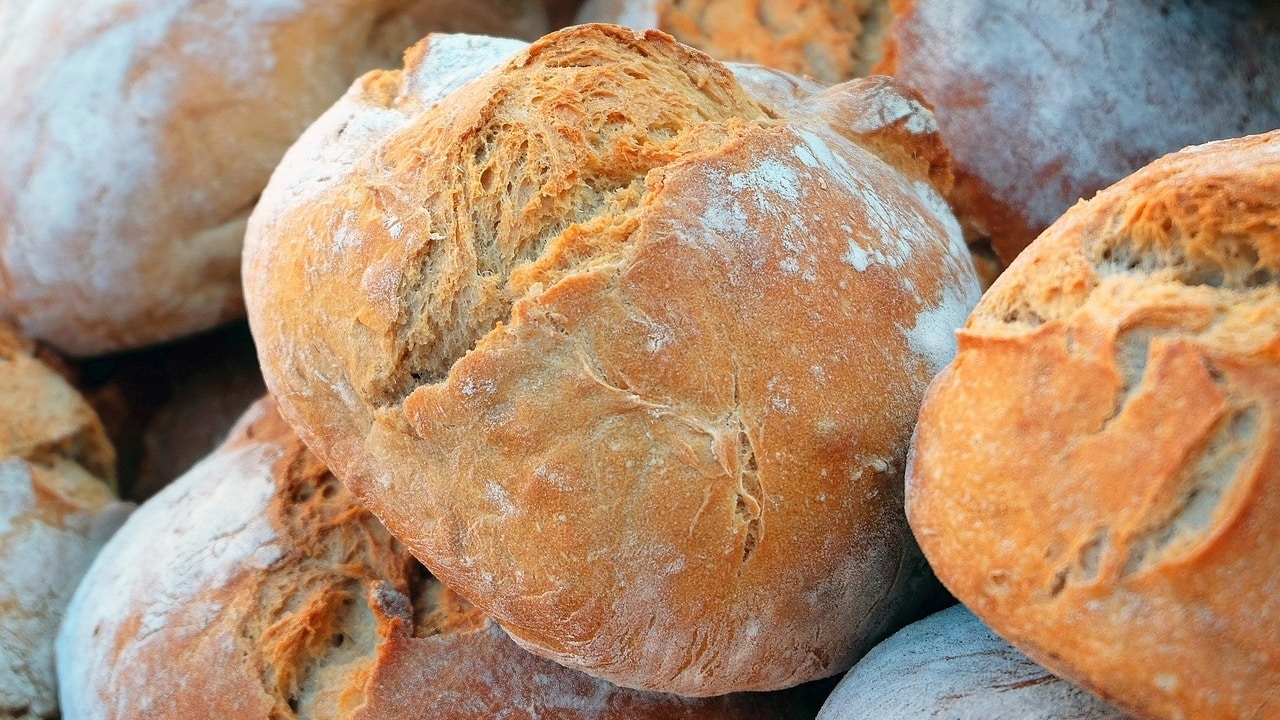
Briefly explained: sourdough bread and normal bread
- Sourdough bread is made by fermentation with lactic acid bacteria and yeasts.
- Traditional dough processing often takes many hours.
- Modern bread is often produced more quickly using yeast, baking agents or additives.
- Sourdough fermentation can reduce FODMAPs and certain grain components.
- Sourdough bread made from wheat or rye is not automatically gluten-free.
- Bread quality, dough management, ingredients and individual tolerance are crucial for intestinal flora, digestion and healthy nutrition.
Bread with additives: quick, soft and cheap
Since the 1990s, many bakeries have been producing breads and baked goods using modern additive technology. Such breads often only require short rising times and can be produced very efficiently.
The advantages for manufacturers are obvious: short production time, predictable dough, good machinability, soft crumb, large volume and low costs.
Bread often looks attractive to consumers. It is soft, airy, mild in flavour and remains visually appealing. But this is precisely where the problem lies: tastiness is not automatically a sign of good bread quality.
Why a long dough sheet is so important
In traditional sourdough bread, yeasts and lactic acid bacteria work in the dough for many hours. Depending on the flour, temperature and recipe, the dough can take 8, 12 or even 16 hours.
This time is not a romanticised detail, but a crucial part of processing. During fermentation, carbohydrates, proteins, organic acids, flavours and certain components that are difficult to digest change.
Modern quick bread largely skips this process. It is technically accelerated, but not really fermented. This is precisely why the question „sourdough bread or normal bread?” is also a question of digestion, intestinal flora and food quality.
Profit often takes precedence over bread quality
Quickly produced bread is economically attractive. A dough that can be processed after 20 to 60 minutes is much more favourable for industrial or semi-industrial production than a sourdough that has to be kept for many hours.
The problem is not just that additives are used. The bigger problem is that the natural fermentation process is missing.
A loaf of bread can be soft, large-volume and delicious - and still perform significantly weaker than real sourdough bread in terms of digestion, ingredient quality and traditional processing.
Sourdough bread and flavour
Genuine sourdough bread tastes different. It often has a mildly sour note, more depth, more flavour and a firmer structure.
The flavour is not created by flavour enhancers, but by natural fermentation. Organic acids, flavourings and decomposition products from the maturing of the dough contribute to the typical sourdough flavour.
Many people have become accustomed to soft, sweet and very mild industrial bread. Anyone who eats real sourdough bread again often quickly realises how big the difference is.
White bread or wholemeal bread: which is really better?
The question „White bread or wholemeal bread?” is often answered too simply. From a chemical point of view, wholemeal flour contains more fibre, minerals, vitamins and accompanying plant substances.
That sounds clear at first. In practice, however, it is not only the nutritional analysis that is important, but also the compatibility, raw material quality, processing, fermentation and possible residues.
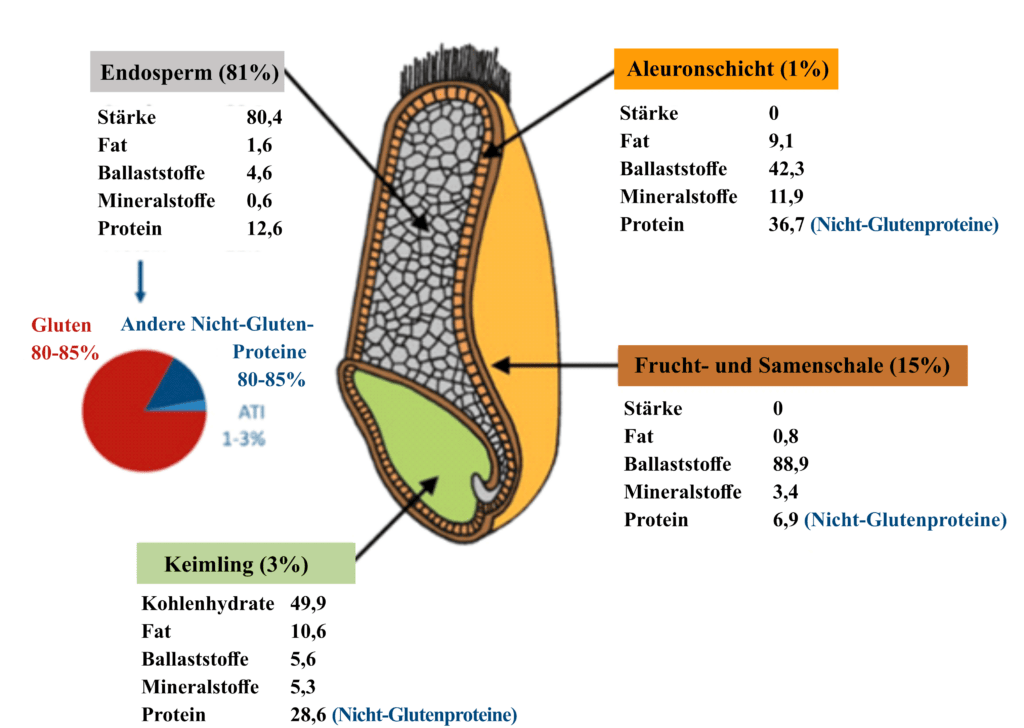
Wholemeal contains bran and germ. These components can provide valuable nutrients, but also contain coarser fibre, lectins and outer grain components that are more strongly associated with residues, storage and mycotoxins.
Therefore, not every wholemeal bread is automatically the better choice. A slowly fermented sourdough bread made from high-quality flour can be better for many people than a coarse, poorly fermented wholemeal bread.
Bran, fibre and mycotoxins
Bran is often presented as particularly healthy because it contains a lot of fibre. But here, too, it is worth taking a closer look.
Bran contains mainly insoluble fibre and is not the same as soluble, fermentable fibre such as pectin or inulin. Fibre that can be fermented by beneficial intestinal bacteria is of particular interest to the intestinal flora.
In addition, outer grain components are closer to the surface of the grain. Therefore, bran and wholemeal are discussed in connection with residues, storage and mycotoxins.
You can find out more in the article about Mycotoxins in cereals and healthy nutrition.
Soluble fibre: pectin and inulin instead of just bran
Not only „more fibre” is important for intestinal flora and digestion, but also the right type of fibre.
Soluble and fermentable dietary fibre like Inulin and pectin are often considered in connection with intestinal flora, fermentation and digestion.
Also Pure apple fibre may be of interest to people who want to make their diet more fibre-conscious.
Although bran provides fibre, it is not automatically the best source of fibre for every intestine.
Sourdough bread, gluten and compatibility
Gluten consists of various protein fractions, including glutenin and gliadin. These proteins ensure that bread dough becomes elastic and bread gains volume.
Sourdough fermentation can partially change and break down gluten proteins. Fermentation can also reduce certain FODMAPs. This may explain why many people tolerate traditional sourdough bread better than quickly made bread.
However, it is important to note that sourdough bread made from wheat, rye or spelt is not automatically gluten-free. People with coeliac disease should not simply regard normal sourdough bread made from gluten-containing grains as safe. Only clearly gluten-free bread made from gluten-free ingredients is suitable for them.
Sourdough bread and coeliac disease
A clear distinction must be made here: Better tolerance in some people does not mean that sourdough bread is suitable for coeliacs.
In coeliac disease, gluten triggers an immunological reaction. Even small amounts of gluten can be problematic. This is why normal sourdough bread made from wheat, rye or spelt is not suitable for people with coeliac disease.
The situation is different for people without coeliac disease, who simply tolerate bread less well. For them, real long leavening can play a noticeable role, especially if FODMAPs or fast leavening are involved.
FODMAP: Why bread can cause flatulence
FODMAPs are fermentable carbohydrates. These include fermentable oligosaccharides, disaccharides, monosaccharides and polyols.
If you have sensitive digestion, irritable bowel syndrome or SIBO, FODMAPs can increase symptoms such as flatulence, bloating, abdominal pressure or restless digestion.
Cereals contain certain FODMAPs, especially fructans. Sourdough fermentation can partially break down these fructans. This is why sourdough bread is often discussed in connection with better digestibility.
This doesn't mean that everyone tolerates sourdough bread well. But compared to quickly made bread, real sourdough bread is the better choice for many people.
Lectins and wheat germ agglutinin
Lectins are plant proteins that are found in many foods. In wheat, wheat germ agglutinin, or WGA for short, is under particular discussion.
WGA is mainly found in the germ and outer parts of the wheat grain. It is therefore more frequently associated with whole grains, wheat germ and coarse grain fractions.
In discussions about the intestinal barrier, leaky gut, immune reactions and tolerance, WGA is viewed critically. At the same time, it should not be claimed across the board that any contact with WGA automatically makes you ill.
What is practically important is that raw material quality, fermentation, individual compatibility and grain processing make a big difference.
Why fermentation changes so much
Fermentation is not a side detail. It is the core of sourdough.
Lactic acid bacteria and yeasts convert components of the flour. This produces organic acids, carbon dioxide, flavourings and a different dough structure.
Fermentation can:
- Reduce FODMAPs
- Partially modify gluten proteins
- Break down phytic acid
- Develop flavours
- improve durability
- change the acid structure of the bread
- improve tolerability for some people
This is precisely why a real sourdough bread is nutritionally different from a quick bread with baking agents.
Yeast bread: the interim solution
Yeast bread lies somewhere between traditional sourdough bread and modern quick bread. It is made with baker's yeast and usually takes much less time than sourdough bread.
Yeast can break down sugar and form carbon dioxide. This causes the dough to rise. However, this does not completely replace the complex microbial work of a real sourdough with lactic acid bacteria and wild yeasts.
A good yeast bread with a longer dough can be better than an extremely fast additive bread. Nevertheless, real sourdough bread is usually superior in terms of fermentation.
Why sourdough bread can keep longer
Traditional sourdough bread often stays fresh for longer and moulds more slowly. This is due to the organic acids and metabolic products that are produced during fermentation.
Lactic acid and acetic acid contribute to the natural shelf life. At the same time, a well-baked sourdough bread usually has a different crumb and moisture distribution than very soft industrial bread.
This explains why real sourdough bread can achieve a good shelf life even without a long list of additives.
GM soya lecithin and additives in bread
Various technical additives and additives can be used in modern bread. These include emulsifiers, enzymes, acidity regulators, baking agents and sometimes lecithin.
Lecithin is an interesting natural substance in itself. It becomes problematic for many consumers when it comes from non-transparent sources, for example from global soya supply chains.
Soya is often associated with GMO cultivation and Glyphosate discussed. That's why it's worth taking a look at the list of ingredients, origin and processing of bread.
Umami flavour: natural or technically produced?
Sourdough bread develops its flavour through fermentation. This produces natural flavourings and free amino acids in a grown food compound.
Modern bread can also taste intense, but often through technological control, baking agents, flavours or flavour optimisation.
This does not mean that all modern bread is bad. But real sourdough bread needs fewer tricks because the flavour comes from time, fermentation and the quality of the raw materials.
Sourdough bread and healthy eating
Sourdough bread can be placed in a healthy nutrition are suitable if they are made from high-quality ingredients, have been fermented for a long time and are well tolerated by the individual.
These are particularly important:
- Real sourdough instead of just sourdough flavouring
- Long dough sheeting
- short list of ingredients
- High-quality flour
- As few additives as possible
- good digestibility
- Conscious combination with high-fibre foods
If you have a bread intolerance, you should not only look at gluten, but also at FODMAPs, dough management, additives, quantity and your entire diet.
What does this mean for intestinal flora and digestion?
For the Intestinal flora and Digestion bread is not automatically good or bad. The decisive factor is the quality.
A quickly produced bread with additives, a short dough cycle and poor raw material quality is to be assessed differently from a genuine sourdough bread with long fermentation.
At the same time, bread alone does not provide the ideal fibre base. Vegetables, fruit, pulses, nuts, seeds and soluble fibre such as inulin and pectin are also important for the intestinal flora.
Fulvicherb products in connection with dietary fibre
If you want to include bread in a fibre-conscious diet, you shouldn't just focus on cereal fibre.
Apple pectin with inulin combines two soluble dietary fibres that are often considered in connection with intestinal flora, fermentation and digestion.
Pure apple fibre may be of interest to people who want to make their daily fibre intake more natural.
Fulvicherb Synergy combines fulvic acid, arginine, inulin, pectin, niacinamide, herbs and other natural ingredients in a liquid formula.
These products are suitable for people who are concerned with intestinal flora, digestion, fibre, prebiotics and a healthy diet.
How can you recognise good sourdough bread?
It's worth taking a closer look when shopping. Not every bread with the word „sourdough” is automatically genuine sourdough bread.
- short list of ingredients
- Flour, water, salt and sourdough as a base
- Long dough sheeting
- No long list of baking agents
- No pure sourdough flavour as a substitute for real fermentation
- Strong crust and aromatic flavour
- Good shelf life without many additives
- Transparent bakery or manufacturer information
Frequently asked questions about sourdough bread
Is sourdough bread healthier than normal bread?
Sourdough bread can be the better choice for many people because it is created through long fermentation. This can reduce FODMAPs, develop flavours and change certain grain components. However, ingredients, dough management and individual tolerance are crucial.
Is sourdough bread gluten-free?
No. Sourdough bread made from wheat, rye or spelt is not automatically gluten-free. People with coeliac disease should only use clearly gluten-free products made from gluten-free ingredients.
Why do some people tolerate sourdough bread better?
Long fermentation can reduce FODMAPs and change certain protein structures. This is why some people tolerate sourdough bread better than quick bread.
What is the difference between sourdough bread and yeast bread?
Sourdough bread is made from a combination of lactic acid bacteria and yeast. Leavened bread is usually only made with baker's yeast and has a shorter dough cycle.
Is wholemeal bread always better than white bread?
Not automatically. Whole grains contain more nutrients and fibre, but can also contain more coarse grain components, lectins and residues. Quality, fermentation and digestibility are crucial.
What are FODMAPs in bread?
FODMAPs are fermentable carbohydrates. Fructans are particularly relevant in cereals. They can contribute to flatulence, bloating or abdominal pressure if you have a sensitive digestive system.
What role does fibre play?
Fibre is important for a healthy diet. Soluble fibres such as inulin and pectin are particularly interesting for intestinal flora and digestion.
How can I recognise real sourdough bread?
A real sourdough bread usually has a short list of ingredients, a long dough cycle, sourdough as a real fermentation base and does not need a long list of additives.
Conclusion: sourdough bread is more than just a trend
Sourdough bread is not just an old baking tradition, but a different way of processing grain. The long fermentation process changes the dough, flavour, structure and digestibility.
Compared to modern quick bread with additives, real sourdough bread has clear advantages: more time, more fermentation, more flavour, better shelf life and, for many people, better digestibility.
However, bread alone is not enough for intestinal flora and digestion. A healthy diet also needs vegetables, fruit, pulses, nuts, seeds and soluble fibre such as inulin and pectin. Apple pectin with inulin, Pure apple fibre and Fulvicherb Synergy can of course fit into a conscious nutritional concept.
 Deutsch
 English (UK)
 Italiano
 Français
 Español
 Polski
 Slovenčina
 Română