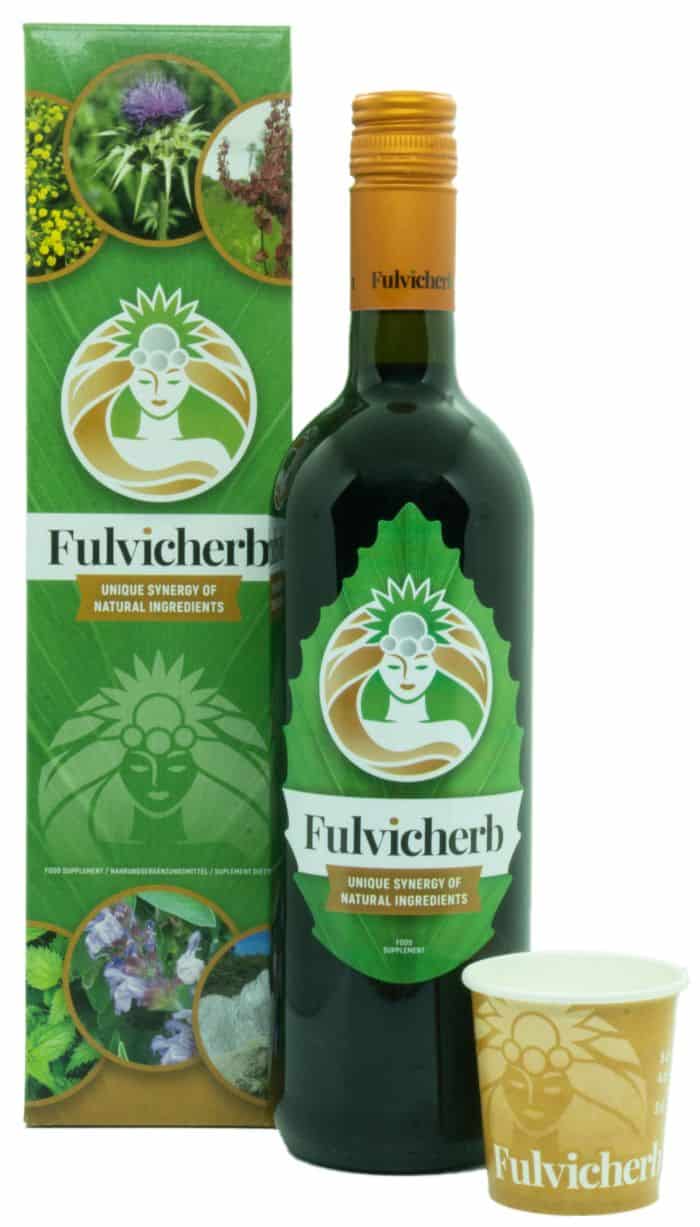
750 ml
Fulvicherb Synergy
Herbal drink with fulvic acid
Nine herbs, fulvic acid, inulin and pectin in a liquid formulation. With niacin for normal mucous membranes and normal energy metabolism.
- 9 herbs
- Vegan
- Gluten-free

Fulvicherb · Herbs, plant fibres and vitamin B3
Fulvicherb Synergy combines nine herbs with fulvic acid, pectin, inulin and vitamin B3. Its niacin contributes to the maintenance of normal mucous membranes. Liquid apple pectin with inulin and pure apple fibre provide additional sources of fibre to enrich your diet.
Orders and payments are handled through the MD Vital online shop.
Fulvicherb Synergy · 750 ml
Three formulations with different focuses: an herbal and fulvic acid complex with vitamin B3, two soluble fibres in liquid form, and pure apple fibre containing both soluble and insoluble fibre.
750 ml
Herbal drink with fulvic acid
Nine herbs, fulvic acid, inulin and pectin in a liquid formulation. With niacin for normal mucous membranes and normal energy metabolism.

500 ml
Liquid soluble fibre
Apple pectin from apple fibre and inulin from Jerusalem artichoke: two soluble, fermentable plant fibres in a ready-to-use liquid preparation.
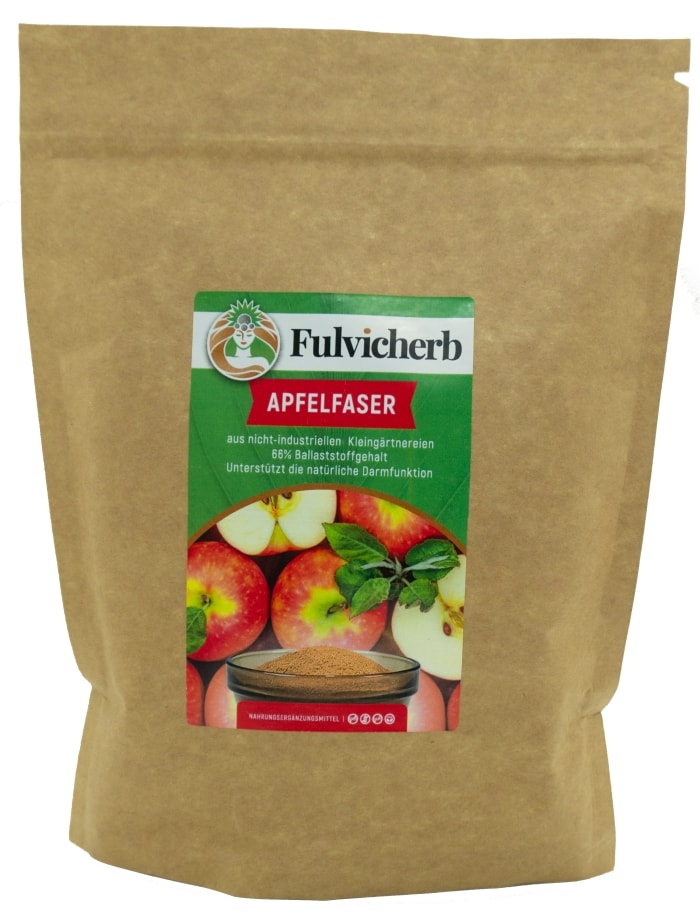
500 g or 10 kg
Apple fibre powder
100% finely ground apple fibre with 66.4 g of dietary fibre per 100 g, including 26.1 g of naturally occurring pectin. For muesli, yoghurt, smoothies and baking.
An overview of the ingredients, their amounts and recommended daily intakes.
Fulvicherb Synergy combines fulvic acid and arginine with a blend of nine herbs. Pectin and inulin from Jerusalem artichoke complement the formula as soluble, fermentable fibres.
Niacinamide provides vitamin B3. Niacin contributes to the maintenance of normal mucous membranes, normal energy metabolism and the reduction of tiredness and fatigue.
Other ingredients include unrefined rock salt from Praid and sunflower lecithin. This food supplement is vegan, gluten-free and made without artificial preservatives. Bottle size: 750 ml.
Find detailed information on the blend of herbs and the individual ingredients.
The recommended daily intake is 40 ml, divided into two 20 ml servings after meals. Shake well before use. Take undiluted or mixed with water or juice.
Taste: distinctly herbal.
Keep tightly closed in a dry place at room temperature, away from heat.
The source of vitamin B3 is niacinamide. This form does not cause the typical flush, a temporary reddening of the skin that can occur with nicotinic acid. The liquid preparation allows the herbs, fibres and other ingredients to be taken together in a measured serving.
The semi-aseptic production process involves adjusting the pH to 4.3 and heat-treating and bottling at 84 °C. Development and production in detail.
| Ingredient | Amount per 40 ml |
|---|---|
| Fulvic acid | 3,360 mg |
| Inulin | 2,840 mg |
| Milk thistle | 900 mg |
| Chamomile | 632 mg |
| Pectin | 528 mg |
| Sorrel | 316 mg |
| Nettle | 316 mg |
| Bilberry leaves | 316 mg |
| Lactic acid | 256 mg |
| niacinamide | 237 mg |
| Arginine | 217 mg |
| Unrefined rock salt from Praid | 192 mg |
| Sage | 158 mg |
| Fennel | 126 mg |
| Anise | 126 mg |
| Rosehip | 108 mg |
| Citric acid | 100 mg |
| Sunflower lecithin | 25 mg |
The liquid preparation combines apple pectin from apple fibre with inulin from Jerusalem artichoke. Both are soluble, fermentable fibres of plant origin.
Pectin is a polysaccharide with water-binding and gelling properties. Inulin belongs to the fructan family and is fermented by gut bacteria, producing short-chain fatty acids among other compounds. The combination brings together two different fibre profiles: the gelling properties of pectin and the prebiotic properties of inulin.
The inulin concentrate used is free from sugar and sugar alcohols. The preparation is vegan, gluten-free, GMO-free and made without added sugar. It has a tart taste. Bottle size: 500 ml.
Apple Pectin with Inulin can be measured directly and mixed into drinks or moist foods, without having to prepare a fibre powder first. The preparation contains soluble plant fibres from apples and Jerusalem artichoke.
The recommended intake for adults is 100 ml per day. Take undiluted, mix with water or juice, or stir into smoothies, yoghurt and other moist foods.
Keep the bottle closed at room temperature, away from direct sunlight.
The dried, finely ground apple fibre contains soluble and insoluble components of plant cell walls. The powder has a mild, largely neutral taste. It is suitable for increasing the fibre content of meals and baked goods.
100 g contains 66.4 g of dietary fibre, including 26.1 g of pectin. The pectin forms part of the total dietary fibre content.
The ingredient is 100% apple fibre. The powder is vegan, gluten-free and made without added sugar. It contains naturally occurring sugars.
The recommended intake for adults is 20–30 g per day, equivalent to approximately 2–3 tablespoons.
A serving of 20–30 g of apple fibre provides approximately 13–20 g of dietary fibre.
Apple fibre binds water. Adjust the amount of liquid accordingly when cooking or baking. Mix the powder with enough liquid or moist food, and increase your fibre intake gradually.
Apple fibre has a different fibre profile from conventional wheat bran: it contains significantly more pectin and less lignin. Its soluble fibres bind water, while its insoluble components increase the fibre content of meals and baked goods.
Apple fibre absorbs liquid, influencing the consistency of doughs, fillings and fruit preparations. In baked goods, its water-binding properties can help retain moisture. The finely ground powder is particularly easy to add to bread, rolls, cakes, porridge, yoghurt and smoothies.
Do not exceed the recommended daily intake. Food supplements are not a substitute for a varied, balanced diet and a healthy lifestyle. Keep out of the reach of young children.
Soluble plant fibres, plant compounds and vitamin B3 are key ingredients in the products. Their chemical structures determine properties such as water binding, gel formation and fermentability.
Fulvic acid belongs to the water-soluble fraction of humic substances. A characteristic property is its ability to form complexes with other substances. In Fulvicherb Synergy, it is combined with arginine.
In the Synergy formula, L-arginine is bound to fulvic acid to form a complex. L-arginine is a protein-forming amino acid and the substrate for nitric oxide synthases, enzymes that produce nitric oxide (NO). NO acts as a signalling molecule in the relaxation of vascular smooth muscle and the regulation of intestinal muscle. The formula therefore combines a natural complexing agent with an amino acid involved in important physiological signalling pathways.
Fulvic acid is a natural chelating and complexing agent. In Fulvicherb Synergy, it is combined with arginine and mineral components.
Fulvic acids are water-soluble organic compounds with a relatively low molecular weight. Their functional groups allow them to bind mineral and organic substances.
Fulvic acid contains acidic carboxyl groups and aromatic hydroxyl groups. These parts of the molecule can form chelate and complex bonds with metals and certain organic molecules.
During complex formation, the functional groups of fulvic acid bind other molecules or metal ions. The strength and type of the bond depend on the substance involved and the chemical conditions.
Fulvic acids form a water-soluble fraction of humic substances. Their chemical composition depends on their source and processing. Carboxyl and hydroxyl groups determine their acidic properties and their ability to bind other substances.
Fulvic acid is also known as an important natural component of Shilajit, also known as mumijo. Shilajit has traditionally been valued for its fulvic acid content and natural mineral complexes.
In Fulvicherb Synergy, fulvic acid is combined with arginine, inulin, pectin, niacinamide, unrefined Praid rock salt and sunflower lecithin.
Complex formation and production: A patented technology.
Arginine is a protein-forming amino acid. In Fulvicherb Synergy, it is bound to fulvic acid to form a complex.
L-arginine is absorbed in the small intestine through amino acid transporters. In Fulvicherb, arginine is used in a bound complex. The fulvic acid–arginine complex combines the amino acid with fulvic acid as a natural complexing agent.
The carboxyl and hydroxyl groups of fulvic acid allow it to bind other substances.
A daily serving of 40 ml of Fulvicherb Synergy contains 217 mg of arginine and 3,360 mg of fulvic acid.
Production process and complex formation: A patented technology.
Arginine is closely involved in the body's production of nitric oxide, or NO. Nitric oxide synthases, or NOS, catalyse the formation of NO from L-arginine.
NO activates soluble guanylate cyclase in vascular smooth muscle cells. The resulting cGMP mediates muscle relaxation and regulates blood vessel diameter.
Blood vessel diameter influences blood flow and the supply of blood to organs. Blood flow to the kidneys is also partly regulated by the body's NO signalling pathways.
Nitric oxide contributes to the relaxation of vascular smooth muscle. In the enteric nervous system, NO is also involved in regulating intestinal smooth muscle. Different NO synthases perform different physiological functions.
In the intestine, smooth muscle relaxation helps coordinate the movement of intestinal contents. NO acts as an inhibitory messenger in the enteric nervous system.
Arginine is an intermediate in the urea cycle. The enzyme arginase breaks arginine down into ornithine and urea, allowing nitrogen from amino acid metabolism to be excreted.
Arginine is needed for the body's own protein synthesis. As a substrate for NO synthases, it is also involved in producing the signalling molecule nitric oxide.
Immune cells can produce nitric oxide through inducible NO synthase. The amount, location and duration of NO production determine its effect.
Nerve cells produce NO using neuronal NO synthase. As a messenger, it influences signalling between cells.
In the enteric nervous system, NO helps coordinate muscle relaxation and movement in the digestive tract.
NO can bind to cytochrome c oxidase and thereby influence mitochondrial respiration. Its effect depends, among other factors, on the NO concentration and the amount of oxygen available.
The intestinal barrier consists of a mucus layer, the intestinal epithelium and cell junctions. It regulates exchange between the intestinal lumen and the body. The blog explains the connections with diet, the gut microbiome and autoimmune diseases.
Fulvicherb Synergy combines the soluble fibres pectin and inulin with plant ingredients, fulvic acid, arginine and vitamin B3. Its niacin contributes to the maintenance of normal mucous membranes.
Apple Pectin with Inulin contains pectin and inulin as sources of soluble, fermentable fibre.
Fulvicherb Synergy contains arginine as part of the fulvic acid–arginine complex.
Biochemical literature on the formation of nitric oxide from L-arginine: Palmer et al. (1988).
Pectin is a plant polysaccharide and a component of apple cell walls. It is a soluble, fermentable fibre. Its water-binding properties allow it to form gel-like structures under suitable conditions.
Pectin is present in all three products: in the Synergy formula, alongside inulin in the liquid preparation, and as a natural fibre component in apple fibre powder.
Pectin is a soluble, fermentable fibre. Human digestive enzymes cannot fully break it down; gut bacteria use it in the large intestine.
Pectins are fermentable fibres. They dissolve readily in water and can be metabolised in the large intestine by gut bacteria. This produces short-chain fatty acids such as butyric, acetic and propionic acid.
Bacterial fermentation produces acetate, propionate and butyrate, among other compounds. Butyrate serves as an energy source for the epithelial cells of the large intestine, known as colonocytes.
Fermentation in the large intestine is strongly influenced by the water solubility of each fibre component. Pectin dissolves readily in water, making it particularly suitable as a fermentable fibre.
Cellulose is insoluble in water and relatively difficult to ferment. Hemicelluloses vary in their solubility and fermentability depending on their structure.
Pectin consists mainly of galacturonic acid. It contains several structural regions, including homogalacturonan and rhamnogalacturonans with different side chains.
Gut bacteria break down pectin using their enzymes and utilise its sugar units. The type and amount of fatty acids produced depend on the pectin structure and the composition of the gut microbiome.
L-rhamnose is a building block of the rhamnogalacturonan regions of pectin. Free and esterified carboxyl groups influence its gelling and binding properties.
Depending on the pectin structure, the side chains can contain arabinose and galactose as well as galacturonic acid and rhamnose. This varied structural profile influences water binding, viscosity and fermentability.
Pectin binds water and can form gels under suitable conditions. The degree of gel formation depends on factors including the type of pectin, the pH and the other components of the preparation.
Water binding influences the viscosity of foods and drinks. This property is also used to thicken fruit preparations, sauces and fillings.
In Fulvicherb Synergy, pectin complements inulin as a second source of soluble fibre. A daily serving of 40 ml contains 528 mg of pectin.
Apple Pectin with Inulin combines two soluble plant fibres in liquid form. Pure Apple Fibre contains pectin alongside hemicellulose, cellulose and small amounts of lignin.
Inulin is a soluble plant fibre belonging to the fructan family. The inulin used in Fulvicherb Synergy and Apple Pectin with Inulin comes from Jerusalem artichoke.
Human digestive enzymes cannot break down inulin. It reaches the large intestine, where gut bacteria ferment it, producing short-chain fatty acids among other compounds.
The concentrate used is free from sugar and sugar alcohols. Tolerance to inulin varies from person to person.
Inulin is a water-soluble fructan. Its fructose units are linked mainly by β-(2→1) bonds.
In Fulvicherb, inulin is used as a clearly defined source of fibre. The inulin concentrate used is free from sugar and sugar alcohols.
A particular benefit of inulin is its prebiotic property. Prebiotic fibres serve as a source of nutrients for certain beneficial gut bacteria.
Bifidobacteria and other saccharolytic gut bacteria can utilise inulin. Which microorganisms use it depends on its chain length and the individual's gut microbiome.
The fermentation of inulin produces short-chain fatty acids, among other compounds. These are absorbed through the intestinal lining and used in metabolic processes.
A rapid increase in inulin intake can increase gas production in the intestine. Increase your fibre intake gradually.
If you have sensitive digestion, start with smaller amounts and make sure you drink enough fluids.
In Fulvicherb Synergy, inulin is combined with pectin. A daily serving of 40 ml contains 2,840 mg of inulin.
Apple Pectin with Inulin provides pectin and inulin in liquid form. Pure Apple Fibre is a powder containing soluble and insoluble fibre components from apples.
Niacinamide is a form of vitamin B3 (niacin). It supports the body's natural functions, including normal energy metabolism and the maintenance of normal skin and mucous membranes.
Niacin contributes to:
Niacinamide, also known as nicotinamide, is a form of vitamin B3. The body uses it to produce the coenzymes NAD and NADP.
Unlike nicotinic acid, niacinamide does not cause the typical flush, a temporary reddening of the skin.
NAD and NADP are involved in redox reactions. They enable electron transfer during energy production and other metabolic processes.
Niacin contributes to normal energy metabolism and supports the normal functioning of the nervous system.
Niacin also contributes to the reduction of tiredness and fatigue and the maintenance of normal mucous membranes.
In the NAD salvage pathway, niacinamide is first converted to nicotinamide mononucleotide and then to NAD⁺.
The body can also produce NAD⁺ from the amino acid tryptophan through the kynurenine pathway. This is a separate production pathway from the recycling of niacinamide.
Fulvicherb Synergy contains niacinamide as a source of vitamin B3. A daily serving of 40 ml provides 237 mg of niacinamide.
All the other ingredients: Natural ingredients.
Niacinamide and NAD⁺: Niacinamide is a precursor in the NAD⁺ salvage pathway. NAD⁺ and NADH are coenzymes in redox reactions involved in energy metabolism. Their physiological importance and the different production pathways are explained in the review by Zapata-Pérez et al. (2021).
Fulvicherb Synergy contains natural, unrefined rock salt from Praid, also known as Parajd, as a mineral ingredient.
The Praid salt used is unrefined rock salt containing accompanying mineral substances. In Fulvicherb Synergy, it is used together with fulvic acid.
A daily serving of 40 ml contains 192 mg of Praid salt.
In an aqueous solution, sodium chloride, the main component of rock salt, is present as sodium and chloride ions.
Sodium and chloride are electrolytes. The concentration of dissolved ions influences the osmotic pressure of body fluids.
The carboxyl and hydroxyl groups of fulvic acid can bind mineral components. These binding properties are used in the production of fulvic acid complexes.
Osmosis is the movement of water through a selectively permeable membrane. The key factor is the difference in the concentration of dissolved particles on either side.
Fulvicherb Synergy contains Praid salt as an unrefined mineral raw material.
Complex formation and production: A patented technology.
Sunflower lecithin is the lecithin ingredient used in Synergy. Lactic acid and citric acid are also part of the formula.
Sunflower lecithin contains phospholipids with water-loving and fat-loving regions. This can help disperse poorly water-soluble plant components, such as silymarin from Milk thistle, in a liquid preparation.
The milk thistle module contains GMO-free sunflower lecithin that is free from phytoestrogens. It is used alongside the oil-soluble and water-soluble components of milk thistle fruits.
Silymarin is a mixture of flavonolignans from milk thistle fruits. Its components are poorly soluble in water and are therefore also studied in combination with phospholipids.
Phosphatidylcholine can form complexes with silybin. Scientific literature describes improved absorption of these defined complexes compared with uncomplexed silybin.
The lecithin used is derived from sunflowers. It is GMO-free and free from phytoestrogens.
Sunflower lecithin is a plant-based alternative to soya lecithin.
A daily serving of 40 ml of Fulvicherb Synergy contains 25 mg of sunflower lecithin.
The plant ingredients: The herbs in Fulvicherb. The other ingredients: Natural ingredients.
Kidd and Head (2005): review of silybin–phosphatidylcholine complexes.
Fulvicherb Synergy contains fruits, flowers and leaves from nine plants. These provide flavonolignans from milk thistle, essential oil constituents from chamomile, fennel and anise, as well as tannins and other polyphenols.
Milk thistle fruits are used. Their characteristic plant compounds include silymarin, a mixture of several flavonolignans.
Chamomile flowers contain flavonoids and essential oil constituents. Well-known compounds include apigenin, bisabolol and its derivatives.
Fulvicherb Synergy uses sorrel fruits. This tannin-containing plant ingredient adds phenolic compounds to the formula.
Nettle leaves contain flavonoids and phenolic acids. In traditional herbal medicine, they were used to help flush the urinary tract.
Bilberry leaves are used. They contain tannins and other polyphenols; their composition differs from that of the berries.
Sage leaves contain tannins, rosmarinic acid and essential oil constituents. They were traditionally used for mild digestive complaints and as mouth and throat rinses.
Fennel fruits contain anethole and fenchone. In European herbal medicine, they were used for bloating and mild, spasmodic digestive complaints.
Anise fruits contain essential oil rich in anethole. They were traditionally used to relieve bloating and mild digestive complaints.
The rosehips of the dog rose, including the seeds, are used. They add fruit components and naturally occurring polyphenols to the herbal blend.
The amounts of each plant ingredient per daily serving are listed in the Synergy table.
The formula combines nine plants with fulvic acid, pectin and inulin. Pectin and inulin are fermented by gut bacteria in the large intestine.
The herbs include flowers, leaves and fruits. In Fulvicherb Synergy, they are combined with fulvic acid, pectin, inulin, arginine and niacinamide.
Chamomile, fennel and anise were traditionally used to relieve bloating and mild, spasmodic gastrointestinal complaints. Milk thistle fruits were used for a feeling of fullness and to support liver function.
Apple Pectin with Inulin contains two sources of soluble, fermentable fibre in liquid form.
At Fulvicherb, we value the medicinal plants used in folk medicine and the experience passed down through their use. Our selection considers the specific plant parts used and the compounds they contain.
The liquid preparation can be measured in millilitres and taken undiluted or mixed with a drink.
Fulvic acid has carboxyl and hydroxyl groups that can bind other substances. In Fulvicherb Synergy, it is combined with arginine and mineral components.
Complex formation and production: A patented technology.
Pectin binds water and can form gel-like structures. Inulin is a fructan. Both are soluble, fermentable fibres.
Apple Pectin with Inulin combines pectin and inulin. Pure Apple Fibre also contains insoluble fibre components from apples.
In addition to herbs, fulvic acid and fibre, the Fulvicherb formula contains niacinamide, a form of vitamin B3. Niacin contributes to normal energy metabolism, normal functioning of the nervous system, the reduction of tiredness and fatigue, and the maintenance of normal mucous membranes.
Arginine is present in the fulvic acid–arginine complex. This amino acid is a precursor for the body's own nitric oxide production.
The composition of this plant-based preparation, the use of fulvic acid as a chelating and complexing agent, the use of a fulvic acid–arginine complex and a special Praid salt containing marine mud, as well as the entire production process, are patented.
Milk thistle fruits contain the flavonolignan complex silymarin, including silibinin, silychristin and silydianin. Milk thistle preparations were traditionally used for a feeling of fullness and digestive complaints, and to support liver function. Experimental studies show that silymarin reduces lipid peroxidation and influences antioxidant enzymes such as superoxide dismutase, catalase and glutathione peroxidase. These mechanisms concern the protection of cell components from oxidative damage.
Scientific literature on silymarin: Wang et al. (2018).
Silybum marianum is the botanical name for milk thistle. Its fruits are used.
Silymarin is a mixture of flavonolignans, including silibinin, silychristin and silydianin. Other plant compounds include flavonoids such as taxifolin.
Milk thistle fruits were traditionally used to relieve a feeling of fullness and digestive complaints, and to support the liver. European milk thistle monograph.
Cytochrome P450 enzymes are involved in the breakdown of many substances originating both inside and outside the body, including medicines and xenobiotics.
The blog article on glyphosate explains the background to this herbicide and its studied interactions.
The milk thistle module uses cold-pressed oil and press cake from milk thistle fruits. This allows components with different solubility properties to be processed.
Sunflower lecithin provides plant phospholipids for the milk thistle module. The lecithin used is GMO-free and free from phytoestrogens.
A daily serving of 40 ml of Fulvicherb Synergy contains 900 mg of milk thistle as a listed plant ingredient.
Family: Asteraceae, the daisy family.
Chamomile flowers were used in European folk medicine for bloating and mild gastrointestinal cramps. Preparations made from the flowers have also traditionally been used to soothe inflamed mucous membranes in the mouth and throat. The plant contains α-bisabolol, chamazulene and flavonoids such as apigenin. Its anti-inflammatory and antispasmodic properties are central to its use in herbal medicine. European chamomile monograph.
Matricaria recutita is the botanical name for German chamomile. Chamomile flowers are traditionally used for bloating and mild, spasmodic complaints affecting digestion.
Dried chamomile flowers are infused as tea or processed into liquid plant extracts.
In European herbal medicine, chamomile flowers were used for bloating, mild gastrointestinal cramps and rinsing inflamed mucous membranes in the mouth and throat.
A daily serving of 40 ml of Fulvicherb Synergy contains 632 mg of chamomile as a listed plant ingredient.
The flowers are the main part of the chamomile plant used. They contain two particularly important groups of natural plant compounds:
Chamomile flowers are used in traditional herbal medicine for a sensitive gastrointestinal tract and mild, spasmodic digestive complaints. Their plant compound profile includes essential oils and flavonoids.
An aqueous extract transfers water-soluble plant components from the flowers into the preparation.
Chamomile flowers are used in traditional herbal medicine to relieve mild, spasmodic gastrointestinal complaints.
Fulvicherb Synergy combines chamomile with eight other plants, fulvic acid, pectin, inulin, arginine and vitamin B3.
Family: Asteraceae, the daisy family.
Bilberry leaves contain tannins, catechins and proanthocyanidins. Tannins bind proteins and have an astringent, or tightening, effect. Polyphenols have antioxidant properties and can scavenge free radicals in chemical reactions. Fulvicherb Synergy uses the leaves; their composition differs from that of the anthocyanin-rich fruits.
Vaccinium myrtillus, better known as European Bilberry, is a traditional berry plant with edible blue-purple fruits. Both the fruits and the leaves have long been used in herbal medicine.
Bilberry fruits contain anthocyanins, which contribute to their blue-purple colour. The leaves, by contrast, contain mainly tannins and other polyphenols.
Both bilberry fruits and leaves have been used in herbal medicine. The composition of these plant parts differs.
European bilberry grows in areas including the Carpathians in Romania and Slovakia.
Bilberry leaves contain catechins and proanthocyanidins. These substances are polyphenols.
Tannins can bind proteins and have an astringent, or tightening, effect.
The intense colour of bilberries also reflects their plant compounds. Anthocyanins, in particular, are characteristic components of the blue-purple berries.
Tannin-rich bilberry leaves have a different composition from the anthocyanin-rich fruits. Fulvicherb Synergy contains the leaves.
Fulvicherb Synergy contains bilberry leaves alongside eight other plants, as well as fulvic acid, pectin, inulin, arginine and niacinamide.
Apple Pectin with Inulin contains two sources of soluble fibre. Pure Apple Fibre provides soluble and insoluble fibre components from apples.
Family: Ericaceae.
A daily serving of 40 ml of Fulvicherb Synergy contains 316 mg of bilberry leaves.
Rosehip is the fruit of the dog rose and contains naturally occurring vitamin C, carotenoids and polyphenols. In folk medicine, rosehips were used in vitamin-rich preparations. Vitamin C acts as a cofactor in collagen formation and has antioxidant functions; its content in fruits depends on factors including ripeness, storage and processing.
Rosa canina, better known as dog rose or rosehip, is a traditional plant source of naturally occurring vitamin C. Rosehip fruits in particular have long been valued in herbal medicine and a considered approach to nutrition.
In addition to vitamin C, rosehips contain carotenoids and polyphenols. Their levels depend on ripeness, storage and processing.
Vitamin C contributes to the normal function of the immune system and normal collagen formation. Collagen is a structural protein in connective tissue.
Rosehip is particularly known for its high naturally occurring vitamin C content. Vitamin C contributes to the normal function of the immune system and normal collagen formation for the normal function of blood vessels.
Vitamin C also contributes to the protection of cells from oxidative stress. It supports normal energy metabolism and contributes to the reduction of tiredness and fatigue.
Rutin is a flavonoid. The historical term “vitamin P” does not describe a separate vitamin function.
Vitamin C is particularly important for normal collagen formation. Collagen is a key component of connective tissue and also plays a role in the normal structure of blood vessels.
Rosa canina contains various polyphenols and carotenoids in addition to vitamin C.
In Fulvicherb Synergy, dog rose complements the liquid herbal formula with fruit components and naturally occurring plant compounds. Rosehip therefore has its own place among the nine plant ingredients.
The Milk thistle provides the flavonolignan complex silymarin; rosehips complement the formula with fruit components.
Rosehips are processed into teas, fruit preparations and plant extracts. Their acids contribute to their tart taste.
Apple Pectin with Inulin provides the soluble fibres pectin and inulin; Pure Apple Fibre also contains insoluble fibre components.
Family: Rosaceae.
Nettle leaves contain flavonoids such as quercetin, kaempferol and isorhamnetin, along with chlorophyll and mineral components. In traditional herbal medicine, leaf preparations were used to help flush the urinary tract. European nettle leaf monograph.
Botanical literature: Davidović et al. (2012).
Urtica dioica is the botanical name for stinging nettle. The leaves were traditionally used to help flush the urinary tract, supporting the natural excretory function of the kidneys.
Nettle leaves contain chlorophyll, carotenoids, flavonoids and mineral components.
In traditional use, nettle leaves are particularly used in preparations intended to help flush the urinary tract. Nettle roots and nettle leaves are different plant materials, each with its own uses.
Nettle leaves contain a range of valuable plant compounds and micronutrients. These include:
Quercetin is a flavonoid found in nettle leaves. In cell studies, it inhibits the release of histamine and other inflammatory mediators from mast cells. This effect concerns the isolated plant compound and explains one studied mechanism of inflammation regulation. Weng et al. (2012).
The blog article on histamine explains the connections between histamine, diet and individual tolerance.
Nettle leaves provide flavonoids and mineral components; sorrel fruits contain tannins and other polyphenols.
A daily serving of 40 ml of Fulvicherb Synergy contains 316 mg of nettle leaves.
Apple Pectin with Inulin contains two soluble plant fibres; Pure Apple Fibre provides soluble and insoluble fibre components from apples.
Tannin-rich fruits of Rumex species were used in Hungarian folk medicine for diarrhoea. Andor Oláh documented such uses in 1985 in his collection on the folk medicine of Békés County. Tannins have an astringent, or tightening, effect, which offers one explanation for this traditional use.
Scientific literature on Rumex extracts: Rouf et al. (2003).
Rumex acetosa L., also known as common sorrel, is a traditional wild plant with a distinctive tart taste. The young leaves in particular are edible and have long been used in herbal medicine and as food.
Young sorrel leaves are used as food. Fulvicherb Synergy, however, contains the fruits.
Rumex acetosa contains several important micronutrients. These include vitamin C, which contributes to the normal function of the immune system and helps protect cells from oxidative stress.
Vitamin C contributes to normal energy metabolism and the reduction of tiredness and fatigue. Its content in sorrel varies depending on the plant part and processing.
Sorrel also contains carotenoids, including provitamin A compounds. Their levels depend on the plant part and processing.
Tannin-rich fruits of Rumex species were used in Hungarian folk medicine for diarrhoea.
Dr Andor Oláh documented the folk medicine of Békés County in his book published in 1985, „Fűbe-fába az orvosság! Békés megye népi orvoslása“. This includes accounts of the use of Rumex species for diarrhoea.
In 1982, Z. Kisgyörgy and M. Péter studied several species of the Rumex genus used in folk medicine.
Sorrel fruits, also known as Rumicis fructus, contain a range of natural plant compounds. These include plant flavonoids such as quercetin, vitexin and rutin, along with other polyphenols and tannins.
Tannins bind proteins. This binding explains their astringent, or tightening, properties.
Tannins bind to surface proteins of the mucous membranes and can thereby form an astringent protective layer. This astringent effect explains the traditional use of tannin-rich plants for diarrhoea and local irritation of the mucous membranes.
In their botanical reference book, Rácz, Rácz-Kotilla and Szabó describe traditional uses of Rumex species and their constituents. The compound groups covered include tannins and other polyphenols.
In experimental studies, extracts of various Rumex species inhibit the growth of certain bacteria. Tannin binding and the fermentation of pectin and inulin by gut bacteria are different mechanisms.
Sorrel fruits and nettle leaves are two different plant ingredients in the herbal formula.
Nettle leaves provide flavonoids such as quercetin, kaempferol and isorhamnetin. Sorrel fruits contain tannins and other polyphenols.
A daily serving of 40 ml of Fulvicherb Synergy contains 316 mg of sorrel fruits.
Apple Pectin with Inulin combines pectin and inulin in liquid form. Pure Apple Fibre also contains insoluble fibre components from apples.
Sage leaves contain rosmarinic acid, carnosol, tannins and essential oils. The polyphenols have antioxidant properties; tannins have an astringent effect. Sage preparations were traditionally used for mild digestive complaints and to rinse inflamed mucous membranes in the mouth and throat. In experimental studies, sage oil inhibited the growth of certain microorganisms.
Literature on sage oil: Taylorová et al. (2007). Further publications by Poracová, Taylorová and Šalamon are listed in the University of Prešov publication list.
Salvia officinalis is the botanical name for common sage. Its leaves were traditionally used for mild digestive complaints and as mouth and throat rinses.
Sage leaves contain rosmarinic acid, tannins, diterpenes and essential oil constituents.
The dried leaves of Salvia officinalisare the main plant part used. They contain a range of characteristic plant compounds, including:
The tannins in sage leaves bind proteins and have an astringent effect. Sage preparations were traditionally used as rinses for inflammation in the mouth and throat.
In traditional herbal medicine, sage leaves were used for mild dyspeptic complaints such as bloating and heartburn. European sage monograph.
A daily serving of 40 ml of Fulvicherb Synergy contains 158 mg of sage as a listed plant ingredient.
Apple Pectin with Inulin contains the soluble fibres pectin and inulin; Pure Apple Fibre also provides insoluble fibre.
Fennel fruits contain essential oils with anethole, fenchone and other aromatic components. They were traditionally used for bloating, a feeling of fullness and mild, spasmodic gastrointestinal complaints. European fennel fruit monograph.
Foeniculum vulgare is the botanical name for fennel. Its fruits were traditionally used to relieve bloating and mild, spasmodic complaints affecting digestion.
Fennel fruits provide mainly aromatic essential oil constituents. Anethole and fenchone are among their characteristic compounds.
The fruits are the main part of the fennel plant used. They contain around 3–7% essential oils. Characteristic constituents include:
Fennel fruits are traditionally used to relieve bloating and mild gastrointestinal cramps. The antispasmodic properties of these preparations affect the smooth muscle of the digestive tract.
Fennel and anise contain essential oils rich in anethole. They are traditionally used to relieve mild digestive complaints involving bloating. Experimental studies of their oil constituents also show inhibition of the growth of certain bacteria and fungi.
The fruits are used. Fennel contains anethole and fenchone, among other compounds; anethole predominates in anise essential oil.
A daily serving of 40 ml of Fulvicherb Synergy contains 126 mg of fennel as a listed plant ingredient.
Apple Pectin with Inulin combines pectin and inulin; Pure Apple Fibre contains soluble and insoluble fibre components.
Anise fruits were used in European folk medicine as a carminative for bloating and mild, spasmodic digestive complaints. Their essential oil is rich in anethole. European anise fruit monograph.
Anise fruits were used in European herbal medicine as a carminative, meaning a remedy to relieve bloating.
John Gerard described anise in his Great Herball in connection with bloating and digestive complaints.
Pliny the Elder documented anise as an ingredient in ancient herbal preparations.
In the 19th century, anise was prepared as aqua anisi, or anise water, and as spiritus anisi, or anise spirit.
The plant's split fruit, known as a diachene, is used medicinally. It contains essential oils at a concentration of around 3.0–6.0%.
The essential oil consists largely of anethole, often around 80–90%. Anise also contains estragole, also known as methyl chavicol.
Anethole is largely responsible for the sweet, aromatic smell and taste of anise oil.
Anise and fennel both contain anethole. They differ in the composition of their other essential oil constituents.
Fulvicherb Synergy contains 126 mg each of anise and fennel per daily serving of 40 ml.
Anise fruits are traditionally used to relieve bloating and mild digestive complaints. In experimental studies, anise preparations have a relaxing effect on smooth muscle. European herbal medicine also traditionally uses anise as an expectorant for coughs associated with colds.
Rácz, Rácz-Kotilla and Szabó describe anise as a plant used in traditional digestive medicine.
A daily serving of 40 ml of Fulvicherb Synergy contains 126 mg of anise as a listed plant ingredient.
Apple Pectin with Inulin contains pectin and inulin in liquid form. Pure Apple Fibre provides soluble and insoluble apple fibres.
The development of Fulvicherb began with observations on pig and horse nutrition by an animal breeder, agricultural engineer and naturopath. After around 20 years of development, this led to a liquid formulation with nine herbs, fulvic acid and the fulvic acid–arginine complex.
Synergy combines herbs, fulvic acid, arginine, fibre and vitamin B3. Apple Pectin with Inulin contains two soluble plant fibres; Apple Fibre also provides insoluble fibre components.
For the herbs in Synergy, Fulvicherb uses plants from the Carpathian Basin and works with small farms.
The liquid preparations allow a measured intake. Finely ground apple fibre can be used to enrich meals and has a pronounced ability to bind water.
The development of Fulvicherb began with an observation from agricultural practice. Our chief product developer, an animal breeder, agricultural engineer and naturopath, worked on farms for many years and studied nutrition, animal health and natural nutrient cycles in depth.
He noticed that pigs and horses were increasingly exposed to challenges also associated with human nutrition. Modern animal feeds, GM soya, pesticide residues and isolated additives such as lysine became a particular focus of his thinking.
These observations led to the development of a formulation containing herbs, fulvic acid, fibre and mineral components.
Fulvic acid was included in the development as a chelating and complexing agent. Its carboxyl and hydroxyl groups allow it to bind other molecules and mineral components.
The development resulted in a liquid formulation containing selected herbs, fulvic acid and other natural ingredients.

The selection considered medicinal plants and their traditional uses in folk medicine, including the use of chamomile, fennel and anise for mild digestive complaints.
This resulted in a plant blend with carefully selected herbs such as milk thistle, chamomile, bilberry, dog rose, nettle, sorrel, sage, fennel and anise. This herbal base is complemented by fulvic acid, arginine, niacinamide and other natural ingredients.
The milk thistle module combines oil and press cake components with sunflower lecithin. Fulvic acid is bound to arginine and mineral components to form complexes.
After around 20 years of research and development, a liquid herbal formula was created with fulvic acid, arginine, pectin, inulin, niacinamide and other ingredients.
Fulvicherb Synergy is produced in a semi-aseptic process. The pH is adjusted to 4.3; heat treatment and bottling take place at 84 °C. This process allows production without artificial preservatives.
Cold-pressed oil and press cake are processed for the milk thistle module, bringing plant components with different solubility properties into the preparation. Sunflower lecithin provides the phospholipid-containing component.
The composition of this plant-based preparation is patented. This includes the use of fulvic acid as a chelating and complexing agent, the fulvic acid–arginine complex, a special Praid salt containing marine mud, and the entire production process.
Composition and production process: A patented technology.
A balanced diet provides fibre, essential fatty acids, proteins, vitamins and minerals. These substances fulfil different roles in metabolism and the digestive system.
The blog explores connections between diet, the gut microbiome, immune function and autoimmune diseases.
At Fulvicherb, we value medicinal plants used in folk medicine and the experience gained from their use. Chamomile, fennel and anise were used for bloating and mild gastrointestinal cramps; sage for mouth and throat rinses; and nettle leaves to help flush the urinary tract.
The selection includes nine plants and different plant parts: fruits, flowers and leaves. These are complemented by fulvic acid, arginine, pectin, inulin, niacinamide, Praid rock salt and sunflower lecithin.
The full composition: Natural ingredients.
A balanced diet, exercise and enough sleep support the body's natural functions. Fibres add to the nutritional content of the diet and are utilised differently by gut bacteria depending on their structure.
Fulvicherb Synergy combines plant ingredients and fermentable fibres with vitamin B3. Niacin contributes to normal energy metabolism and the maintenance of normal mucous membranes.
Apples provide pectin and insoluble cell-wall components. Jerusalem artichoke is the source of the inulin used.
In Fulvicherb Synergy, fulvic acid, inulin, pectin, arginine, niacinamide, natural unrefined rock salt, sunflower lecithin and other ingredients are combined in a liquid preparation.
Food processing changes factors such as structure, composition and shelf life. The ingredients, fibre content and amount consumed are key to nutrient intake.
The balance of energy intake, fibre, fat quality and micronutrients influences the composition of the diet.
Fulvicherb Synergy contains natural ingredients from herbs, plant fibres and mineral sources, complemented by fulvic acid, arginine and vitamin B3.
Omega-3 and omega-6 fatty acids are components of cell membranes and precursors of the body's own signalling substances. Linoleic acid and α-linolenic acid must be obtained from food.
Fatty acid composition varies between foods and oils. Choosing a variety of fat sources determines the supply of omega-3 and omega-6 fatty acids.
Soluble fibres such as Pectin and inulin are fermented by gut bacteria, producing short-chain fatty acids among other compounds.
Wheat bran contains more insoluble fibre components and less pectin than apple fibre. Cellulose is relatively difficult to ferment.
Apple Pectin with Inulin combines two soluble fibres. Pure Apple Fibre contains soluble and insoluble fibre components from apples.
The types of sugar used in many modern foods have also changed. The food industry frequently uses syrups and isolated sugars, including ingredients rich in fructose.
Fructose is a simple sugar. It occurs in fruit, honey and various syrups, among other sources.
glyphosate, atrazine and 2,4-dichlorophenoxyacetic acid are herbicide active ingredients. Their use and potential residues are monitored in food and the environment.
The linked blog articles discuss liver and kidneys in relation to agricultural chemicals and the exposures studied.
The blog article on Oestrogen explains the connections between digestion and hormones.
Plants provide soluble and insoluble fibres as well as plant compounds. Vitamin B3 and mineral components fulfil different roles from these plant fibres.
In Fulvicherb Synergy, fulvic acid, inulin, pectin, arginine, niacinamide, natural unrefined rock salt, sunflower lecithin and other ingredients are combined in a liquid preparation.
The natural ingredients in Fulvicherb Synergy include nine plants, pectin, inulin, arginine, niacinamide, Praid rock salt and sunflower lecithin. Fulvic acid is used as a chelating and complexing agent.
The selected ingredients in Fulvicherb come from natural sources and are used without unnecessary fillers. Our ingredients are free from genetically modified seeds and are selected with quality, purity and responsible processing in mind.
After heat treatment at 84 °C, the liquid preparation is bottled and sealed while hot.
Our development combines traditional plant uses with knowledge of their constituents, extraction and processing.
After more than 20 years of research, a distinctive Fulvicherb formula was created with fulvic acid, a fulvic acid–arginine complex, a fulvic acid–Praid salt complex and other carefully selected ingredients.
Complex formation and production: A patented technology. Details of the ingredients: Natural ingredients.
In Fulvicherb Synergy, fulvic acid, inulin, pectin, arginine, niacinamide, natural unrefined Praid salt, sunflower lecithin and other ingredients are combined in a liquid preparation.
The nine plants and the parts used: The herbs in Fulvicherb.
Our herbs come from small farms in the Carpathian Basin and are carefully harvested by hand.
The liquid products are bottled in glass; paper is used for additional packaging. Separate empty packaging according to local recycling guidelines.
Responsible use of raw materials and packaging is part of our brand philosophy.
Would you like to stock Fulvicherb or discuss a partnership? You can find information about working with us and contact details at MD Vital.
Scientific literature on plant compounds, the gut microbiome and cellular metabolism:
Fulvicherb Synergy combines nine herbs with fulvic acid, pectin, inulin, the fulvic acid–arginine complex, Praid rock salt and vitamin B3. Apple Pectin with Inulin focuses on two soluble, fermentable plant fibres in a ready-to-use liquid form. Apple Fibre is a finely ground powder with pectin, hemicellulose, cellulose and small amounts of lignin; it is particularly suitable for mixing into food and baking.
Check the ingredients and directions for each product. Synergy already contains pectin and inulin. Increase your fibre intake gradually and pay attention to how well you tolerate the ingredients. Do not exceed the recommended daily intake of a food supplement.
Yes. All three products are vegan and gluten-free.
Apple fibre contains soluble and insoluble fibre components from apples. Pectin is one of them: 100 g of this powder contains 26.1 g of pectin as part of a total of 66.4 g of dietary fibre. The liquid Apple Pectin product, by contrast, combines pectin with inulin.
Introduce additional fibre gradually and drink enough fluids. Inulin in particular can cause bloating, depending on the amount and individual tolerance. If you have known intolerances or symptoms, seek professional advice before use.
Orders, payments and order confirmations are handled through the MD Vital online shop. Information about delivery countries, shipping costs, delivery times and payment methods is available under Delivery and payment.
You can manage orders in your MD Vital customer account. Information on shipment status is available through parcel tracking.
Contact
Contact MD Vital for product questions, delivery information or help with your order.
Contact MD Vital